You finish a meal and suddenly feel uncomfortable.
Your stomach feels heavy, bloated, or unsettled.
Sometimes it happens after a dairy.
Other times, bread or spicy food seems to trigger it.
It is incredibly frustrating when the foods you love start fighting back against your system, leaving you guessing which ingredient caused the issue.
This is where food intolerance often enters the conversation.
Food intolerance can affect how your body responds to certain foods, ingredients, or eating habits.
While the symptoms are usually not life-threatening, they can still affect your daily routine, sleep, energy, and gut health over time.
In this guide, you will learn what food intolerance means, its symptoms, common triggers, and when testing may help you better understand your body.
What Is Food Intolerance?
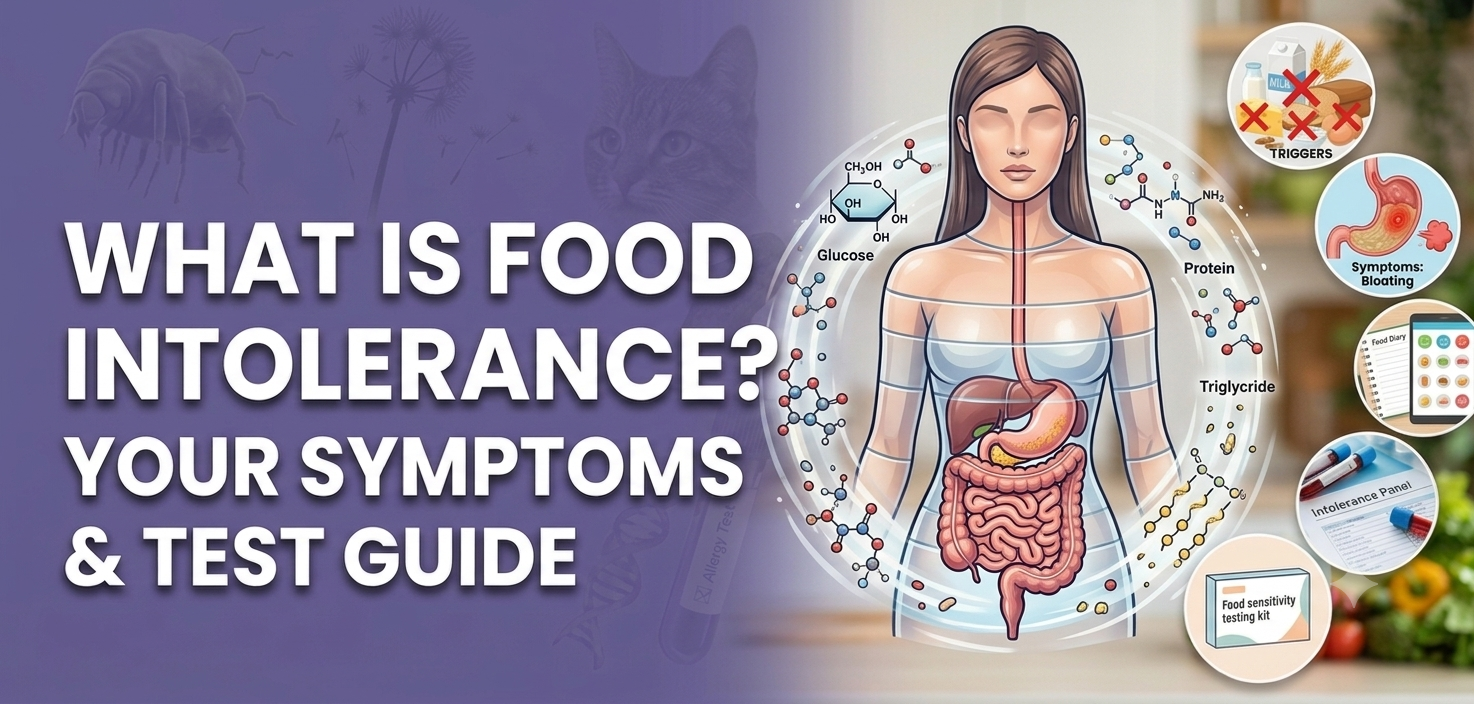
Food intolerance occurs when your gut lacks the specific mechanisms needed to properly break down a particular food.
Unlike food allergies, food intolerance does not involve the immune system at all.
Instead, it often affects gut function because your body is not producing enough of a particular enzyme.
It primarily affects your digestion when your digestive system becomes sensitive to a particular ingredient.
The symptoms can appear gradually, often hours after eating the trigger food.
They may be harder to identify because reactions are not always immediate.
One important characteristic of food intolerance is that it is often dose-dependent.
This means you might be able to eat a small amount of a trigger food without any noticeable reaction, while a larger portion causes significant symptoms.
This is why many people live with food sensitivities for years without recognising the trigger.
Also Read>>>
6 Warning Signs of Poor Gut Health You Should Never Ignore
Food Intolerance vs Food Allergy
It is very common to mistake food sensitivities for allergies because their everyday physical symptoms can look nearly identical.
However, understanding the underlying biological differences between them is essential for choosing the correct diagnostic path.
According to the British Dietetic Association (BDA), the key difference comes down to whether or not your immune system is involved.
The table below outlines the core differences between a classic food allergy and a functional intolerance.
| Food Intolerance | Food Allergy |
| Involves the digestive system (stomach and gut) | Involves the immune system (IgE antibodies) |
| Symptoms are usually delayed (hours to days) | Symptoms can appear quickly (minutes to 2 hours) |
| Often not life-threatening(causes structural discomfort) | Can become severe or life-threatening (anaphylaxis) |
| Small amounts may be tolerated | Even small exposure may trigger reactions |
According to the NHS, food intolerance symptoms can sometimes overlap with other digestive conditions, making proper assessment important.
What Causes Food Intolerance?
There is no single cause behind common food intolerances.
In many cases, your digestive system may not break down certain ingredients properly.
Sometimes the problem is linked to enzyme deficiencies, while in other situations, certain compounds irritate the gut.
Also Read>>>
Types of Allergies | Symptoms, Triggers & Testing Guide
The most common underlying causes include:
Enzyme deficiencies
Your body may not produce enough of a specific enzyme needed to digest a food component.
Lactose intolerance is the most well-known example.
It occurs when your small intestine stops producing enough lactase, the specific enzyme needed to break down the natural sugars found in dairy products.
Without it, undigested lactose ferments in the gut and creates severe gas and fluid imbalances.
Common triggers include:
- Milk
- Yoghurt
- Cheese
- Ice cream
- Cream-based sauces
Symptoms often include:
- Bloating
- Stomach cramps
- Diarrhoea.
Sensitivity to food chemicals
Your gut may react to natural chemicals present in food. These include:
➡️ Histamine
Found in aged cheeses, alcohol, processed meats, and fermented foods
➡️ Salicylates
Found in many fruits and vegetables
➡️ Fructose
Found in apples, honey, fizzy drinks, and high-fructose corn syrup
➡️ Gluten
Found in bread, pasta, biscuits, cakes, and cereals
Symptoms may involve:
- Digestive discomfort
- Tiredness
- Bloating
- Headaches
- Skin issues
According to Allergy UK, these reactions are usually delayed and dose-dependent.
Gut sensitivity
Conditions like IBS can make the gut more reactive to certain foods, particularly the ones that are hard to digest.
These include FODMAPs (fermentable carbohydrates found in onions, garlic, wheat, legumes, and some fruits).
Reactions to food additives
Preservatives, artificial colourings, and flavour enhancers found in processed foods can trigger symptoms in some people, even in small quantities.
Pro Tip
Food intolerance can develop at any age, even to foods you have eaten for years. Changes in gut health, illness, or stress can all shift your tolerance.
Food Intolerance Symptoms You Should Not Ignore
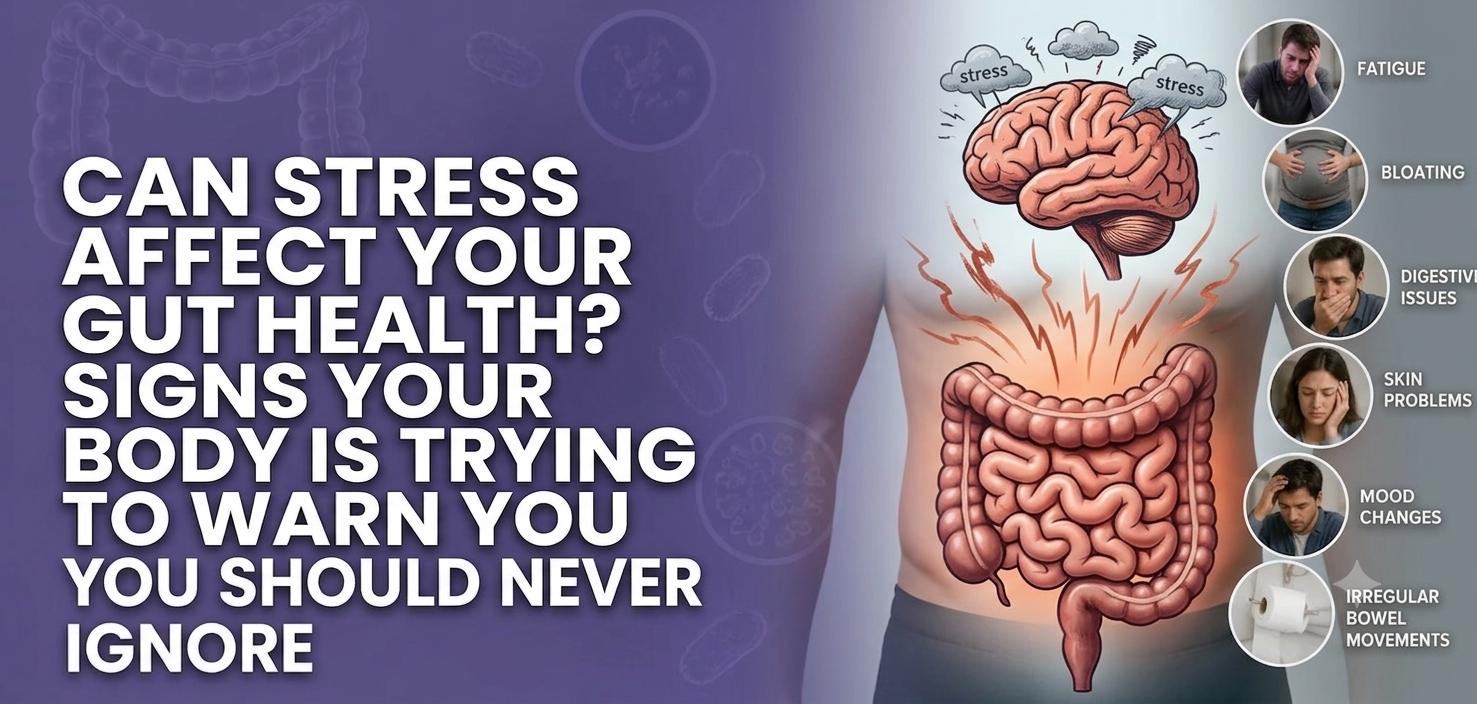
Food intolerance symptoms are wide-ranging, making them so hard to pin down.
You may easily blame them on other things like a stressful week, not sleeping well, or just “something not going well.”
Since the symptoms can build slowly, you may not immediately connect them to food.
But when the same symptoms keep appearing after meals, especially the same types of meals, it is worth paying closer attention.
According to Top Doctors UK, food intolerance symptoms commonly include the following:
- Bloating After Eating
Bloating is one of the most common signs of food intolerance, especially with lactose or fructose sensitivities.
Your stomach may feel swollen, tight, or uncomfortable after meals.
This usually happens when food is not properly digested and begins fermenting in the gut, leading to trapped gas and pressure in the intestines.
- Abdominal Cramps and Pain
Food intolerance can sometimes cause cramping, stomach discomfort, or a dull ache in the lower abdomen.
You may also notice gurgling sounds or a heavy feeling in your stomach.
These symptoms often appear a few hours after eating foods your digestive system struggles to process properly.
- Diarrhoea or Loose Stools
When certain foods are not broken down properly, your digestive system may react by speeding up bowel movements.
This can lead to diarrhoea or loose stools, particularly in people with lactose intolerance, gluten sensitivity, or reactions to artificial ingredients and processed foods.
- Constipation
Some food intolerances may slow digestion rather than speed it up.
You could experience difficulty passing stools regularly, along with stomach heaviness or discomfort.
Ongoing constipation after eating certain foods may indicate that your digestive system is struggling to process them efficiently.
- Nausea
Feeling nauseous after meals can sometimes point to food intolerance.
Even if vomiting does not occur, you may feel unsettled, sick, or uncomfortable shortly after eating.
This reaction may happen when your digestive system has difficulty handling certain ingredients or food compounds.
- Headaches or Migraines
Certain foods and additives can trigger headaches in sensitive individuals.
Ingredients such as histamine, caffeine, processed sweeteners, or MSG are commonly linked to these reactions.
Some people notice headaches appearing shortly after meals, while others experience symptoms several hours later.
- Fatigue and Low Energy
Food intolerance does not only affect digestion.
It can also leave you feeling unusually tired or sluggish after meals.
When your gut struggles to process certain foods, your body may use extra energy trying to manage the discomfort.
This can affect your concentration and overall energy levels.
- Skin Irritation
In some cases, food sensitivities may contribute to skin-related symptoms such as itching, redness, rashes, or eczema flare-ups.
While digestive issues are more common, ongoing skin irritation without an obvious cause may sometimes be linked to underlying reactions to certain foods.
How is Food Intolerance Diagnosed?
There is no single definitive test for most types of food intolerance, which is why knowing a clear reason often takes time and a systematic approach.
Diagnosis often involves reviewing symptoms, eating habits, and digestive patterns.
A professional gut health test is the clinical way to identify the root cause of food intolerance.
Healthcare professionals may recommend a combination of diagnostic approaches.
These include the following:
| Method | How It Helps |
| Food and symptom diary | Tracks symptoms and eating patterns |
| Elimination diet | Helps identify trigger foods |
| Gut health testing | Assesses digestive health markers |
| Blood testing | Evaluates certain sensitivities |
| Hydrogen breath test | Diagnoses lactose intolerance and fructose malabsorption |
Pro Tip
Always share your food diary and test results with a GP or registered dietitian before making major changes to your diet.
Unnecessary restrictions can make it hard to identify triggers and cause nutritional deficiencies.
When Should You Consider Testing?
You may benefit from testing if:
✅ Symptoms keep returning
✅ Digestive discomfort affects daily life
✅ You feel bloated after eating regularly
✅ You suspect multiple food triggers
✅ Dietary changes are not helping
Food intolerance symptoms are often ongoing and may require a structured assessment to understand the triggers properly.
What Can You Do To Manage Food Intolerance?
Managing food intolerance usually starts with understanding your triggers rather than avoiding everything completely.
Small adjustments often make a noticeable difference.
Helpful Ways to Reduce Symptoms
You can manage symptoms by:
✔️ Eating smaller meals
✔️ Avoiding heavily processed foods
✔️ Identifying trigger ingredients
✔️ Supporting gut health
✔️ Staying hydrated
✔️ Reducing stress levels
✔️ Improving sleep quality
The goal is not always strict restriction.
In some cases, reducing certain foods rather than eliminating them may help.
Could Your Gut Be at the Root of It All?
Gut Health Testing at Dewaxify Audiology
Food intolerance does not announce itself clearly.
It shows up as patterns: the same sluggish afternoons after lunch, the bloating that follows every evening meal, the headaches that seem to come from nowhere.
Recognising those patterns is the first step, and testing is how you confirm what your body is trying to tell you.
At Dewaxify, based in Ilford, London, we believe your health deserves more than guesswork.
Led by HCPC-registered audiologist Sita Parmar, our team has expanded beyond ear health.
We now offer a range of clinically supported health tests designed to give Londoners clear, accessible answers about their wellbeing.
Our gut health testing service goes beyond surface-level symptoms to give you a detailed picture of how your digestive system is functioning.
These tests are designed to support a better understanding of your gut health and help you make informed lifestyle and dietary decisions.
Explore available gut health testing options here:

Can I suddenly develop food intolerance as an adult?
Yes, your enzyme production can naturally decline as you get older. Changes in your daily stress levels, a recent illness, or a course of antibiotics can also alter your gut environment, triggering new sensitivities.
Is food intolerance the same as a food allergy?
No. Food intolerance mainly affects digestion and is usually less severe. Food allergies involve the immune system and can sometimes cause serious or life-threatening reactions.
Is a food intolerance permanent, or can it be fixed?
Many intolerances are temporary. By giving your gut lining time to rest, reducing inflammation, and slowly rebuilding your friendly bacteria, you can comfortably reintroduce your favourite foods later.
What is the best way to test for food intolerance?
The most reliable clinical method is to combine comprehensive biomarker blood tracking with a structured elimination diet. This dual approach ensures you identify the precise biological root cause of your symptoms.
Do common food intolerances show up on standard blood tests?
Not reliably. Most commercial food intolerance blood tests lack sufficient clinical validation. A structured elimination diet, combined with professional guidance, remains the most reliable diagnostic approach for most types.