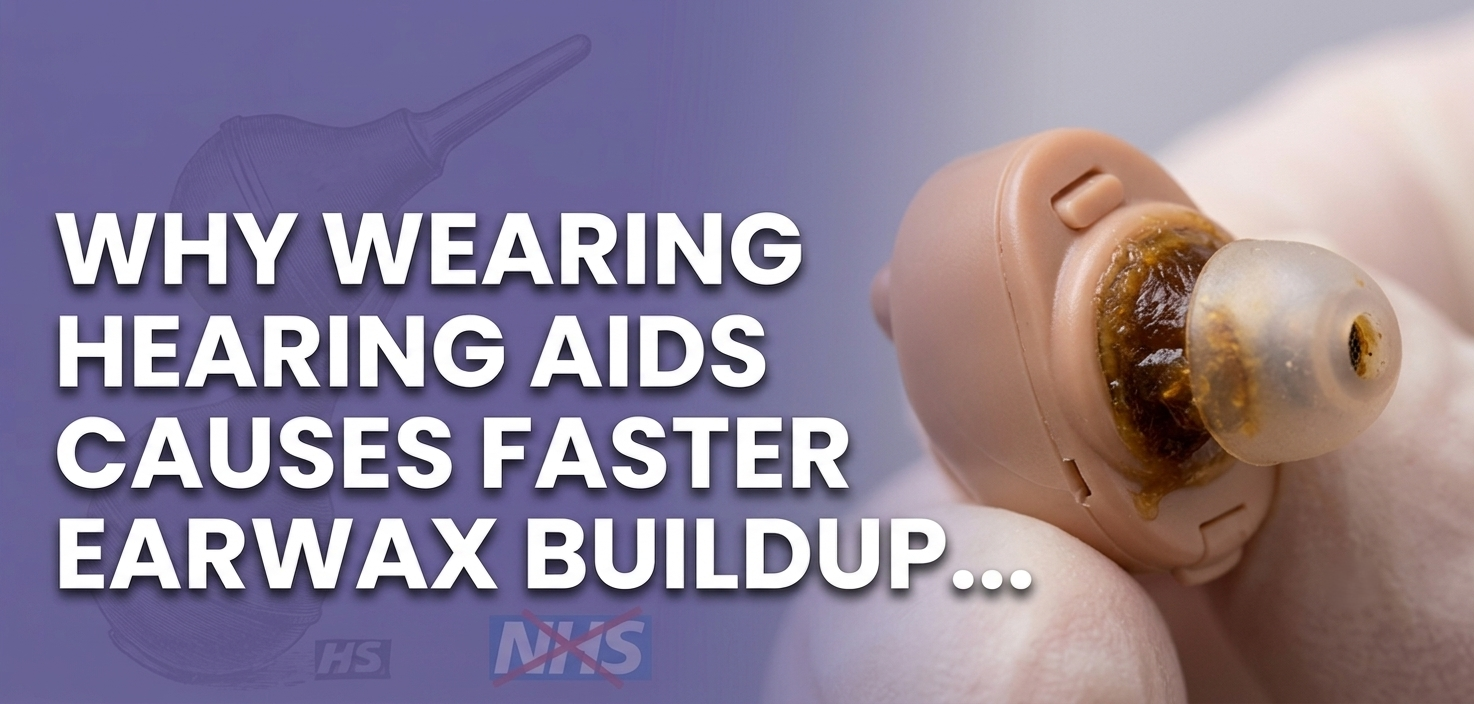
You clean your hearing aid regularly, but it still sounds muffled or distorted.
Conversations become harder to follow.
Your ears feel blocked more often than before.
Before you assume your device has stopped working, check your ears.
Earwax buildup is one of the most common reasons hearing aids underperform.
Hearing aids can change the natural movement of wax inside the ear canal, causing faster buildup and frequent blockages.
The good news is that you can easily manage earwax with hearing aids with the right care routine.
This guide looks at exactly why these internal changes happen and how to manage them safely to avoid discomfort, hearing issues, and damage to your device.
Why Does Earwax Buildup Increase With a Hearing Aid?
Before diving deep into the reasons behind earwax buildup, let us first understand a little about what it actually is.
Earwax, also called cerumen, is produced by glands in the outer ear canal. It protects your ears from dust, bacteria, and debris.
Normally, the ear pushes wax outward naturally through jaw movements like chewing and talking.
The wax also migrates naturally from the canal to the outer ear, where it dries up and falls away without any intervention.
When you insert a hearing aid device, you place a physical barrier directly inside this moving pathway.
It sits inside or near the ear canal for several hours daily, thus interrupting the ear’s self-cleaning process.
Also Read>>>
6 Best Ear Wax Removal Clinics in London
The main reasons hearing aid wearers experience greater earwax build-up include the following:
Physical Blockage
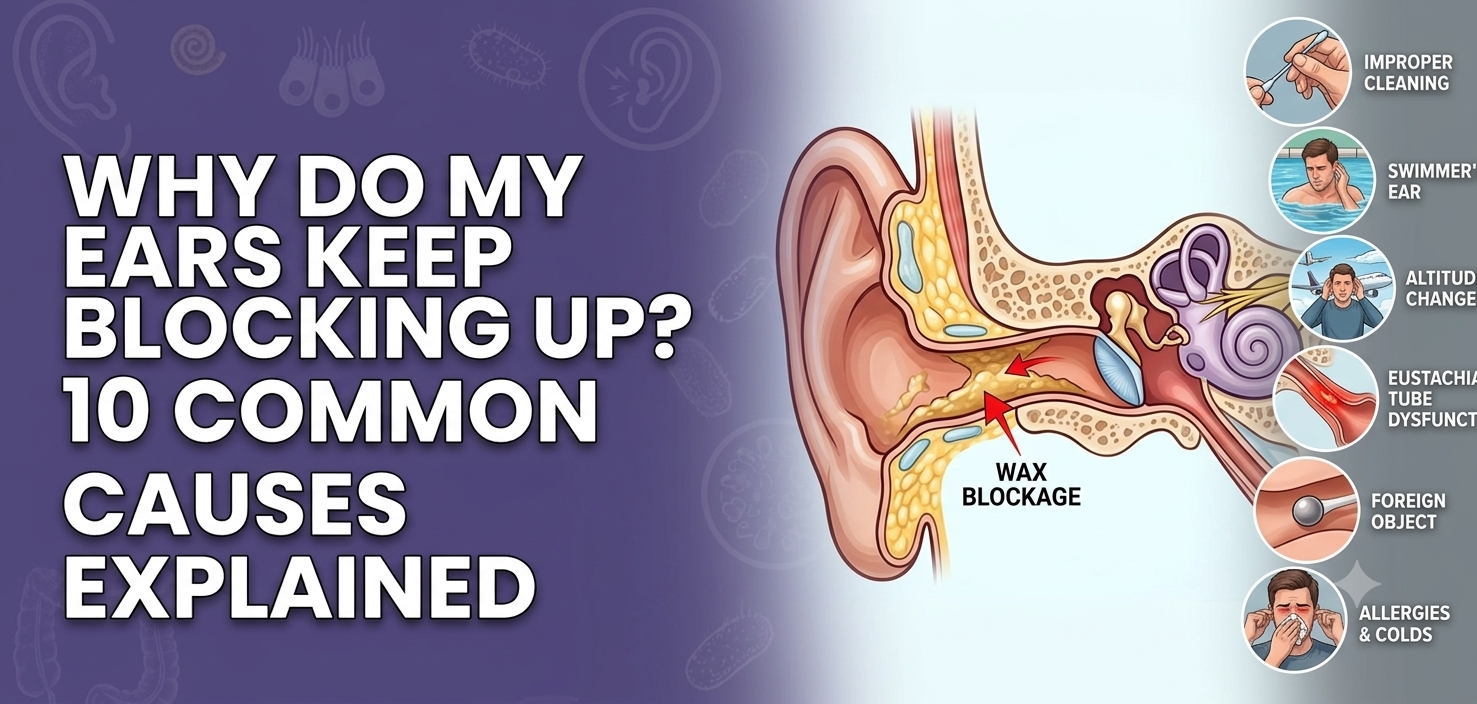
The device sits in the canal, pushing wax deep inward and preventing it from migrating outward naturally.
Heat and Moisture
Wearing a device increases warmth and moisture in the canal, which stimulates the wax glands to produce more.
Vibration From Sound
The device vibrating in the canal can also trigger increased wax production.
Occlusion Effect
The sealed environment created by the device traps wax rather than allowing it to clear.
As a result:
➡️ Airflow inside the ear reduces
➡️ Wax becomes compacted faster
➡️ Moisture and debris build up
➡️ Wax gets trapped inside
According to the British Society of Audiology, earwax management is one of the most frequently cited clinical issues among hearing aid users.
Many of them experience blockages that affect device performance.
What Happens When Ear Wax Blocks Your Hearing Aid?
An accumulation of wax rarely happens overnight; it usually builds up slowly over several weeks.
Because the change is so gradual, you might not notice the blockage until it severely impacts your daily life.
Spotting these subtle warning signs early allows you to seek professional care before your device stops working.
The NHS states the following symptoms may point to excess earwax buildup:
| Symptom | What It May Mean |
| Muffled hearing | Wax blocking sound transmission |
| Whistling sounds | Amplified sound bounces directly off the hard blockage |
| Reduced hearing aid volume | Wax clogging device openings |
| Ear fullness or pressure | Impacted earwax |
| Itching or irritation | Wax or moisture build-up |
| Vertigo (Dizziness & sickness) | Excess wax production |
| Tinnitus (ringing or buzzing in your ears) | Clogged wax inside the canal |
If you notice any of these symptoms, do not wait.
Leaving wax to accumulate makes it harder to remove and increases the risk of impaction, where the wax becomes tightly packed against the eardrum.
How Earwax Damages Your Hearing Device
Wax does not just affect your ears.
It directly impacts the performance and lifespan of your device.
If it repeatedly enters microphones, tubing, or receivers.
Hearing aids are precision instruments, and even a small amount of wax in the wrong place can significantly reduce their effectiveness.
Here is how earwax buildup can damage or disrupt your hearing aid:
Blocked Microphone Ports
Wax can clog the small openings where sound enters the device.
Damaged Receivers
The receiver or speaker sits deep in the canal and is particularly vulnerable to wax ingress.
Reduced Volume
Sound output decreases when wax covers or partially blocks the speaker.
Feedback and Whistling
Wax interference can cause your hearing aid to produce an unwanted squealing sound.
Moisture Damage
Wax holds moisture against internal components, causing device cutout issues.
Fast Battery Drain
Internal resistance from debris affects battery life and performance.
Earwax buildup and moisture are the most common causes of damaged hearing aids.
Regular cleaning significantly reduces the need for expensive professional repairs and extends the working life of your device.
Also Read>>>
Ear Feels Blocked but No Wax? What’s Really Causing That Fullness and How to Stop It
How Hearing Aid Users Can Prevent Ear Wax Buildup
You cannot completely stop your ears from producing wax, and you should not try to.
Ear wax is necessary for healthy ears.
The goal is to prevent excessive buildup before it starts affecting your hearing aid or comfort.
Daily maintenance of your hearing aids is one of the most effective things you can do to prevent wax-related problems.
These include the following:
✅ Use a dry microfibre cloth to gently remove soft debris before it hardens.
✅ Use the specialised cleaning brush to sweep away any stubborn, dry flakes from around the delicate sound ports
✅ Clean the earmould or dome with a damp cloth and allow it to dry completely before reinserting
✅ Inspect and replace the wax filter when it appears discoloured or blocked.
✅ Store the device in a dry box overnight to remove any accumulated moisture.
What Can You Safely Do at Home To Manage Earwax
Cleaning the device is only half of the picture.
You must also maintain regular ear hygiene.
It is advisable to wash your outer ears with warm water and pat them dry gently.
For mild earwax buildup, using softening drops is a safe step.
The NHS recommends putting a few drops of olive or almond oil in your ears to loosen wax and make it fall out on its own.
However, it advises not to use these drops if you have a perforated eardrum or a history of ear surgery.
Your ears don’t need harsh or aggressive cleaning.
A rigorous ear cleaning routine can do more harm than good and can put you at significant risk.
Let’s understand exactly what these habits and the associated risks are.

The Hidden Dangers of Incorrect DIY Ear Cleaning
It can be incredibly tempting to grab a cotton bud when your ear feels completely blocked.
However, using these standard household items often causes severe damage to your hearing health.
Here are some unsafe home remedies for wax removal and the harm they may cause to your ears:
❌ Poking Cotton Buds Inside Ears
This action pushes the wax deeper, packing it tightly against your delicate eardrum.
❌ Using Unregulated Ear Drops Frequently
Overusing random retail oils can turn dry wax into a sticky, messy sludge.
❌ Inserting Twisted Towel Corners Deeply
This blunt friction easily scratches the thin, sensitive skin of your canal.
❌ Attempting Dangerous Home Ear Vacuuming Or Candling
Cheap online suction gadgets lack the necessary pressure controls to protect your hearing.
Ear candling has no clinical evidence and carries a risk of burns.
❌ Using Sharp Objects To Scratch An Annoying Ear Itch
Sharp, pointed objects such as bobby pins, keys, or metal tools can cause permanent damage to ear canals
Why Professional Microsuction Is Best for Ear Wax With Hearing Aids
Microsuction is one of the safest and most commonly recommended methods for removing impacted ear wax in hearing aid users.
It uses gentle suction and magnification to remove wax without flushing water into the ear.
Audiologists use a targeted vacuum under a high-powered microscope to safely clear narrow, sensitive ear canals, giving them precise visibility throughout the process.
They can safely lift away the packed wax without touching the sensitive walls or your eardrum.
Benefits of microsuction earwax removal
For hearing aid users, microsuction offers several advantages over traditional methods.
👉 No water enters the ear canal
👉 Safe for sensitive ears
👉 Quick and controlled procedure
👉 Suitable for repeated wax buildup
👉 Immediate hearing improvement possible
How Dewaxify Audiology Can Help
At Dewaxify Audiology, we work with hearing aid wearers every day.
Our clinic in Ilford, East London, is led by HCPC-registered audiologist Sita Parmar.
We provide professional ear care that is specifically suited to the needs of people who rely on hearing devices.
Our microsuction earwax removal service is the gold standard for safe, precise earwax removal.
Using gentle suction and a fine instrument under direct vision, it suits hearing aid wearers with sensitive ears, narrow canals, or previous ear problems.
The procedure is quick, comfortable, and does not involve water or mess.
Most patients notice an immediate improvement in both their hearing and device performance after a single visit.
We also offer a free hearing test for patients who are unsure whether their hearing has changed or whether their current device settings still meet their needs.
Regular hearing checks are an important part of managing your hearing health, especially if you have been wearing aids for several years.
If your hearing aids are not performing the way they should, do not just assume the device is at fault.
Book your appointment with Dewaxify Audiology today and get a clear picture of what is going on.
Frequently Asked Questions (FAQs)
Can wearing a hearing aid cause more earwax buildup?
Yes. Hearing aids physically block the natural outward migration of wax and create a warm, enclosed environment that stimulates extra wax production. This is a common and manageable issue for hearing aid wearers.
How often should hearing aid wearers get their ears cleaned professionally?
Most audiologists recommend a professional ear check every six to twelve months for full-time hearing aid users. If you are prone to heavy wax production, more frequent visits may be needed.
What happens if I leave earwax buildup untreated?
Untreated wax can lead to impaction, temporary hearing loss, tinnitus, discomfort, and damage to your hearing aid. It is much easier to manage wax early than to deal with it once it becomes firmly packed in the canal.
Is microsuction safe for hearing aid wearers?
Yes, microsuction is the recommended method for hearing aid wearers. It is performed under direct vision, does not use water, and is safe for sensitive ears, narrow canals, and those with a history of ear problems.
How do I know if earwax is blocking my hearing aid?
Common signs include muffled sound, reduced volume, whistling noises, or hearing aids cutting out unexpectedly. You may also feel pressure or fullness inside the ear.