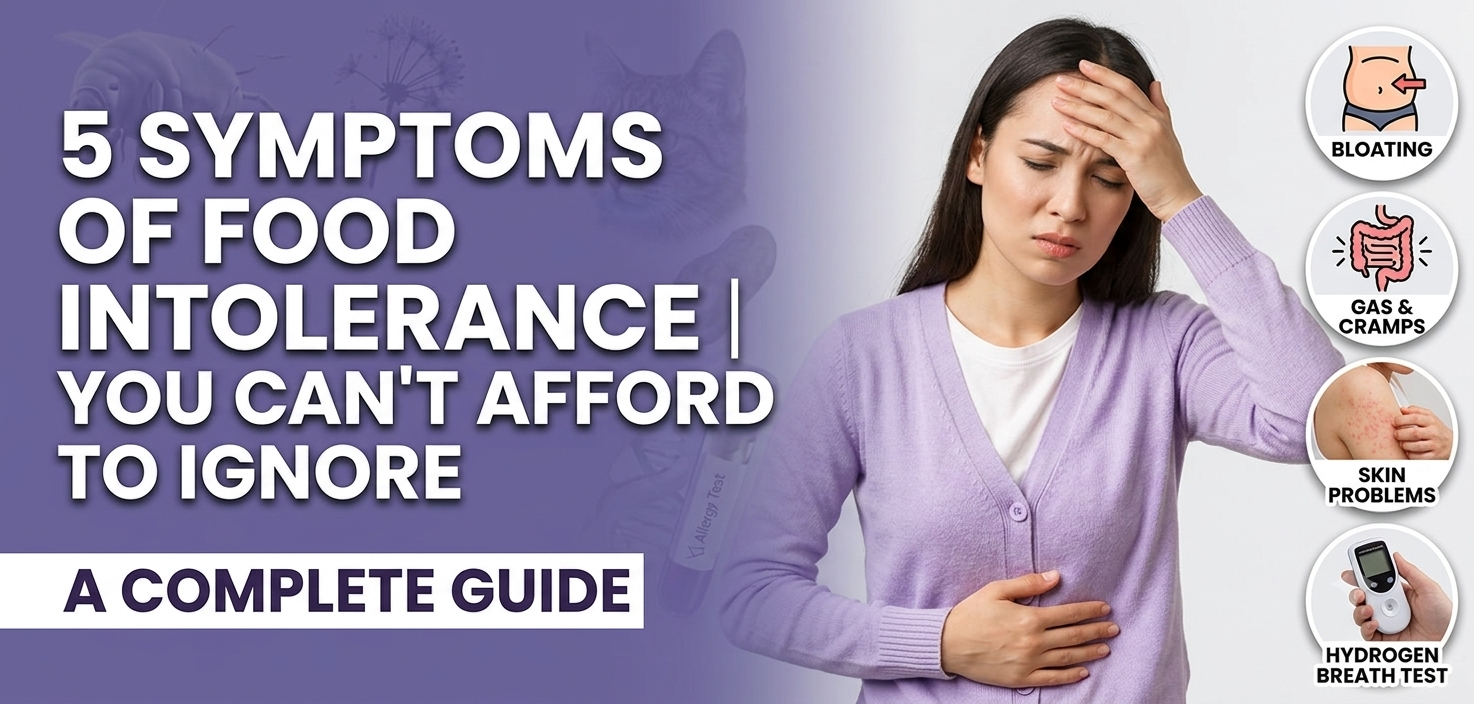
That uncomfortable bloating after eating your favourite lunch.
The sudden tiredness after certain meals. The stomach cramps that seem random but keep returning.
Sounds familiar?
A once-in-a-while scenario is normal.
But if this keeps happening, your body is trying to tell you something.
Ignoring these signs can deeply affect your daily well-being.
Food intolerance symptoms often build slowly, making them easy to overlook at first.
That is precisely why so many people live with them for years without connecting the dots.
This guide walks you through the most important symptoms of food intolerance to watch out for, why they happen, and when it is time to stop ignoring them.
What Is Food Intolerance?
Food intolerance happens when your digestive system struggles to break down a specific food or ingredient properly.
Unlike a true food allergy, which causes a sudden and dangerous immune response, food intolerance is purely a digestive issue.
It usually occurs because your body lacks enough specific enzymes to process a food or because your gut is sensitive to certain natural chemicals.
The undigested food sits in your large intestine and ferments, causing a slow build-up of physical discomfort.
According to the NHS, a food intolerance is not usually life-threatening, but it can make you feel significantly unwell and affect your quality of life.
One of the things that makes food intolerance particularly tricky is timing.
Symptoms can take anywhere from a few hours to up to 72 hours to appear after eating the trigger food.
By that point, it is genuinely difficult to link the symptom to the meal, making it tricky to identify without clinical testing.
Also Read>>>
Types of Allergies | Symptoms, Triggers & Testing Guide
Why Food Intolerance Symptoms Are Often Missed
Common food intolerance symptoms can feel vague at first.
You may notice occasional bloating one week and headaches the next.
Since the reactions are delayed, connecting symptoms to a specific food becomes difficult.
Many people continue eating trigger foods without realising the impact they may be having on their gut health.
Some symptoms may appear:
➡️ Several hours after eating
➡️ Only after repeated exposure
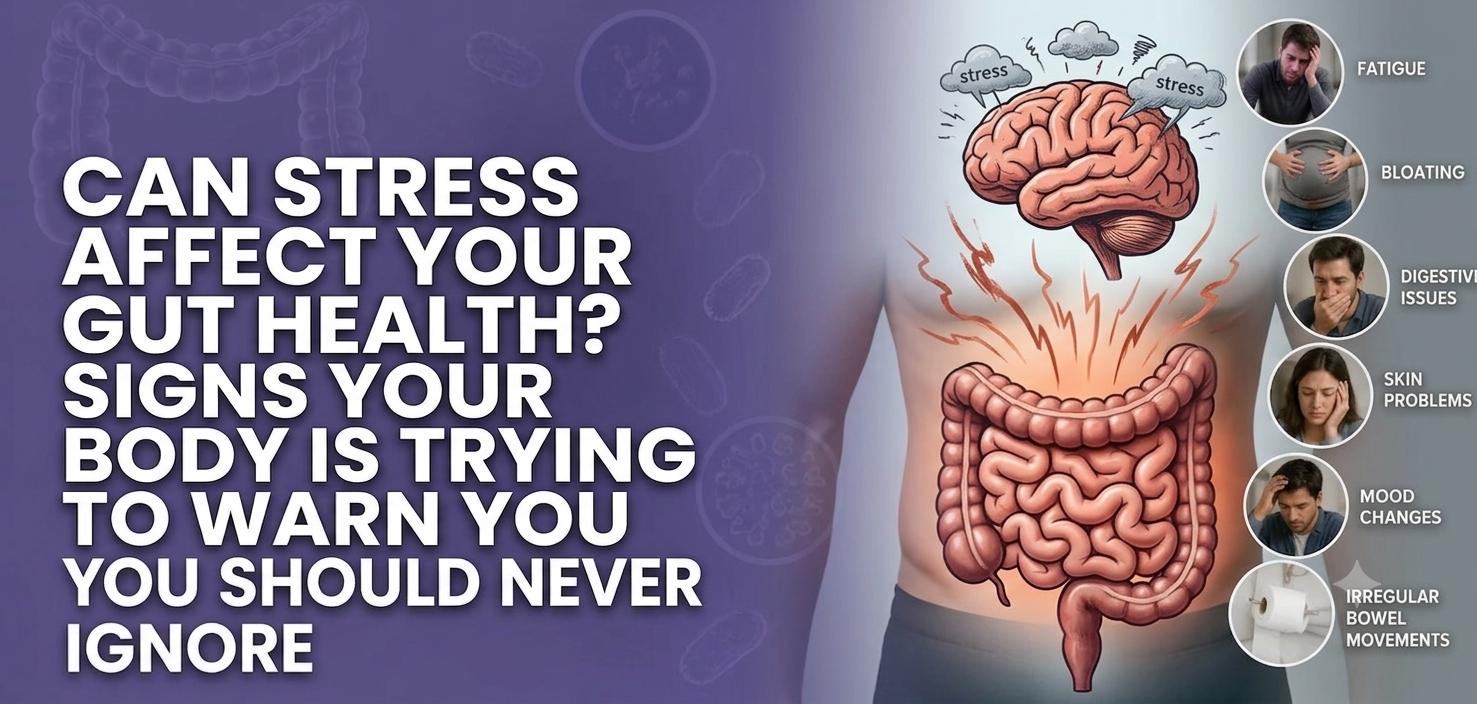
➡️ During stressful periods
➡️ Alongside poor sleep or digestive imbalance
This is one reason food intolerance testing has become increasingly common among people trying to understand ongoing gut discomfort.
Common Symptoms of Food Intolerance You Should Not Ignore
Food intolerance symptoms are wide-ranging because the gut is connected to almost every system in your body.
When your digestive system is struggling, the effects ripple outward.
Many of you may experience a cluster of recurring symptoms rather than a single obvious sign.
Here is a breakdown of what to look for across different parts of the body.
Digestive Symptoms: The Most Obvious Signs of Food Intolerance
For most people, the gut is where food intolerance first makes itself known.
Your digestive system is under direct pressure when it cannot process a food correctly, and it keeps sending signals about it.
The digestive symptoms of food intolerance most commonly include the following:
Chronic Bloating and Excess Gas
A very clear sign of a food intolerance is a stomach that swells up significantly after you finish a meal.
When your digestive tract lacks the tools to dissolve specific foods, your natural gut bacteria attempt to ferment the leftovers instead.
This fermentation process releases a large amount of trapped gas, making your abdomen feel tight like a balloon and causing you significant physical distress.
If you find yourself burping constantly or feeling heavy several times a week, your gut is likely struggling with a specific ingredient.
Stomach Cramps and Abdominal Pain
Ongoing cramps, stomach pain, or discomfort after meals (accompanied by gurgling sounds) may indicate that your gut is reacting poorly to certain foods.
The pain may feel:
- Sharp
- Cramp-like
- Burning
- Heavy or uncomfortable
You may experience symptoms shortly after eating or may notice discomfort later in the day.
Changes in Bowel Habits
Sudden changes in your bathroom routine are a classic sign that your digestive tract is deeply unhappy with your dietary choices.
Your gut may react differently depending on the trigger food and overall digestive health.
While on some days you may experience diarrhoea, on others you may be struggling with constipation or irregular digestion.
Paying close attention to how quickly your bowel habits change after specific meals can give you great clues about your inner health.
Also Read>>>
6 Warning Signs of Poor Gut Health You Should Never Ignore
Nausea After Certain Foods
Feeling nauseous after eating can sometimes signal difficulty digesting specific ingredients.
This symptom may appear mildly at first but become more noticeable over time.
You may sometimes mistake this symptom for acidity or indigestion without exploring possible food triggers.
Excessive Gas and Indigestion
Gas becomes a concern when it is persistent, painful, or accompanied by bloating and discomfort.
It may seem out of proportion to what you have eaten.
Common signs include:
👉 Burping frequently
👉 Stomach rumbling
👉 Excessive flatulence
👉 Burning indigestion
👉 Feeling overly full after meals
These symptoms may worsen after eating large portions or trigger foods.
Pro Tip
Symptoms that appear consistently two to six hours after eating the same type of food are worth logging. A food diary can reveal patterns your memory cannot.
Skin Symptoms: When Your Gut Shows Up on Your Face and Body
Your skin can be one of the most visible signs of food intolerance, yet it is also one of the most overlooked.
Because skin reactions can take hours to develop, you may never connect a flare-up to something you ate earlier in the day.
Skin-related food intolerance symptoms can include the following:
Eczema Flare-Ups
You may notice patches of red, dry, and intensely itchy skin that worsen after eating certain foods.
Hives (urticaria)
There can be a raised, blotchy rash that appears suddenly and causes significant itching.
Skin Flushing
You may also develop redness on the face or neck, particularly due to histamine intolerance.
Unexplained Rashes
There can be general and persistent skin irritation that does not respond to topical treatments.
If your skin keeps flaring up despite using the right creams and following a good skincare routine, this might be an indicator of food intolerance. Identifying your dietary triggers can be the missing piece in achieving clear, comfortable skin.
Fatigue and Neurological Symptoms: The Signs You Dismiss as “Just Being Tired”
Feeling physically and mentally drained, foggy, or unable to think clearly are among the most commonly reported yet least recognised symptoms of food intolerance.
This may happen because the body is struggling to process certain ingredients, leading to inflammation or digestive stress.
Neurological and energy-related signs of food intolerance include the following:
Persistent Fatigue
You may feel exhausted even after a full night’s sleep, particularly on days following certain meals.
Brain Fog
You may experience difficulty concentrating, forming thoughts clearly, or retaining information.
Recurring Headaches or Migraines
You may find specific foods such as dairy, wheat, or aged cheese as consistent headache triggers. According to Smartblood UK, it can occur hours or even days after eating the trigger food.
Mood Changes
Persistent irritability, low mood, or unexplained anxiety with no clear emotional source is also a food intolerance symptom.
Since the neurological symptoms are so easy to attribute to stress or poor sleep, most people never suspect food as the cause.
Joint and Muscle Symptoms: A Connection You Will Never Make
You are most likely not going to connect achy joints and sore muscles to food.
But low-grade, ongoing inflammation triggered by food intolerance can affect the body’s connective tissues, leading to discomfort that feels completely unrelated to what you have been eating.
These symptoms tend to be:
➡️ Vague and shifting rather than localised
➡️ Present in the mornings, particularly in the fingers, knees, or hips
➡️ Mild but persistent, similar to flu-like body aches
➡️ Unresponsive to rest or standard pain relief
For those who already live with conditions like arthritis, unidentified food triggers can make existing inflammation significantly worse.
Respiratory Symptoms: The Signs Most Often Blamed on Hay Fever
Your respiratory system can be affected by food intolerance, causing a group of symptoms that are frequently mistaken for seasonal allergies or a mild cold.
Respiratory signs of food intolerance include:
✅ A persistently runny or blocked nose without an active infection
✅ Sneezing that seems to follow meals rather than seasons
✅ Mild wheezing or a feeling of tightness in the chest
✅ Recurring sinus pressure or congestion
Thus, your recurring cough and cold symptoms could actually be linked to what you are eating.
The Most Common Food Irritants
While any ingredient can potentially cause a reaction, a few specific food groups are responsible for the vast majority of digestive sensitivities.
Here is a quick reference based on guidance from the NHS, Allergy UK, and the BDA:
| Food Trigger | Common Symptoms | Typical Reaction Time |
| LactoseCow’s MilkCheeseDairy Products | BloatingGasDiarrhoeaStomach CrampsNausea | 30 minutes to 2 hours after eating |
| GlutenWheatBarleyRye | BloatingFatigueConstipationBrain FogJoint Pain | Several hours to days after eating |
| HistamineWineAged CheeseProcessed Meat | FlushingHeadachesHivesRunny noseStomach Cramps | 30 minutes to a few hours after eating |
| Caffeine | HeadachesPalpitationsAnxietyDisrupted Sleep | Within 1 to 3 hours |
| Fructose (fruit sugar, sweeteners) | BloatingGasLoose StoolsStomach Discomfort | 1 to 3 hours after eating |
| SulphitesWineCiderDried Fruit | WheezingFlushingHeadachesStomach Upset | Within 1 to 2 hours |
Identifying which of these groups is causing your discomfort is the first step toward building a better menu and an intolerance-free life.
When Should You Stop Ignoring Food Intolerance Symptoms?
Some digestive discomfort after a rich meal is completely normal.
But when common food intolerance symptoms continue for long periods, they may disrupt gut balance and affect daily life more than expected.
If your body is sending the same signals regularly, that is worth taking seriously.
Consider speaking to your GP or exploring a food intolerance test if you are struggling with:
✔️ Frequent post-meal digestive symptoms (2–3x weekly)
✔️ Skin flares up without external cause
✔️ Fatigue or brain fog despite good sleep
✔️ Multiple food avoidance due to specific reactions
✔️ Recurring headaches with no clear trigger
Food intolerance testing can provide insights into possible sensitivities and help support better gut health management.
Pro Tip
Avoid eliminating certain food items from your diet on your own, as identifying trigger foods without guidance can become frustrating and restrictive.
Ready to Stop Guessing? Explore Gut Health Testing Range at Dewaxify Audiology
You have been putting up with these symptoms for long enough.
👉 The bloating after meals that you have learned to live with
👉 The headaches you blame on screen time
👉 The fatigue that sleep never quite fixes
It does not have to be this way.
At Dewaxify, based in Ilford, London, we are here to help you find real answers.
Alongside our expert ear health services, led by HCPC-registered health practitioner Sita Parmar, we now offer an expanding range of at-home health tests, designed to give Londoners accessible, clinically led health insights from their own home.
Our gut health testing service can help you understand what is going on inside your digestive system.
Whether you’re managing food intolerances or digestive issues, or just want to understand your gut better, our tests bring clarity.
Stop guessing. Start knowing.
Explore available gut health testing options here:
Is food intolerance the same as IBS?
No. Food intolerance and IBS are different conditions, although they can share similar digestive symptoms such as bloating, cramps, and bowel changes.
Should I get tested for food intolerance?
Testing may help if symptoms keep returning, trigger foods are unclear, or digestive discomfort regularly affects your daily routine and gut health.
Is it safe to eliminate foods if I suspect an intolerance?
Not without guidance. Eliminating entire food groups without support from a GP or dietitian can lead to nutritional gaps. Always get a proper assessment before making major dietary changes to ensure your diet stays balanced and complete.
Can a food intolerance completely disappear over time?
Yes, many sensitivities can improve if you give your digestive tract a break. Removing the problematic food for a few months allows your gut lining to heal, meaning you might tolerate small amounts later.
Can stress make my food sensitivities feel worse?
Yes, high stress levels directly alter how fast your digestive system moves and digests food. Being stressed can make your gut significantly more sensitive to everyday foods, worsening your typical symptoms.