
Microsuction ear wax removal is often the solution people discover only after their favourite songs start sounding dull or muted.
Have your favourite songs started sounding dull or muted lately?
Do friends complain about your loud voice on calls?
Both signs can point to stubborn ear wax build-up.
You are not alone. One in ten UK adults faces the same issue.
The problem feels small at first but grows fast.
Blocked ears can affect hearing, balance, and daily comfort.
The good news is simple. You do not need cotton buds or risky home hacks.
Safe and effective options exist, and microsuction is one of the most reliable methods.
This guide explains why ear wax builds up, common myths, how microsuction works, and what to expect.
You will also find simple tips, a real story, and practical after-care advice.
Why does ear wax even exist?
Your ears are smart and protective by design.
They produce ear wax to keep the ear canal clean and healthy.
This wax, also called cerumen, forms naturally inside the ear.
It mixes oils, sweat, and tiny skin flakes into a soft layer.
This layer shields the ear from dust, dirt, and small particles.
Ear wax also stops the skin inside the canal from drying out.
Moist skin prevents cracks, irritation, and infections.
Wax even slows the growth of bacteria inside the ear.
Your ears have a built-in cleaning system too.
Every time you talk or chew, the jaw creates tiny movements.
These movements push old wax outward, bit by bit.
Most people never notice this slow and natural process.
Trouble starts when the wax becomes too hard or too compact.
The self-cleaning system struggles to move the plug out.
This can lead to muffled hearing, ringing, or a blocked feeling..
Ear wax helps your ears by:
- Trapping dust and dirt
- Moisturising the canal
- Preventing infections
- Slowly moving debris outward as you chew or speak
Most people never notice this process.
Problems begin when the wax becomes too hard or too much.
What is Microsuction Ear Wax Removal
Microsuction involves a healthcare professional carefully using a gentle suction device to remove excess earwax. What makes this method stand out is the use of a microscope (or a similar magnifying tool).
This critical component allows the practitioner an incredibly clear and magnified view of your ear canal and the wax buildup.
This direct visualization is key, ensuring the removal is highly accurate and minimally invasive.
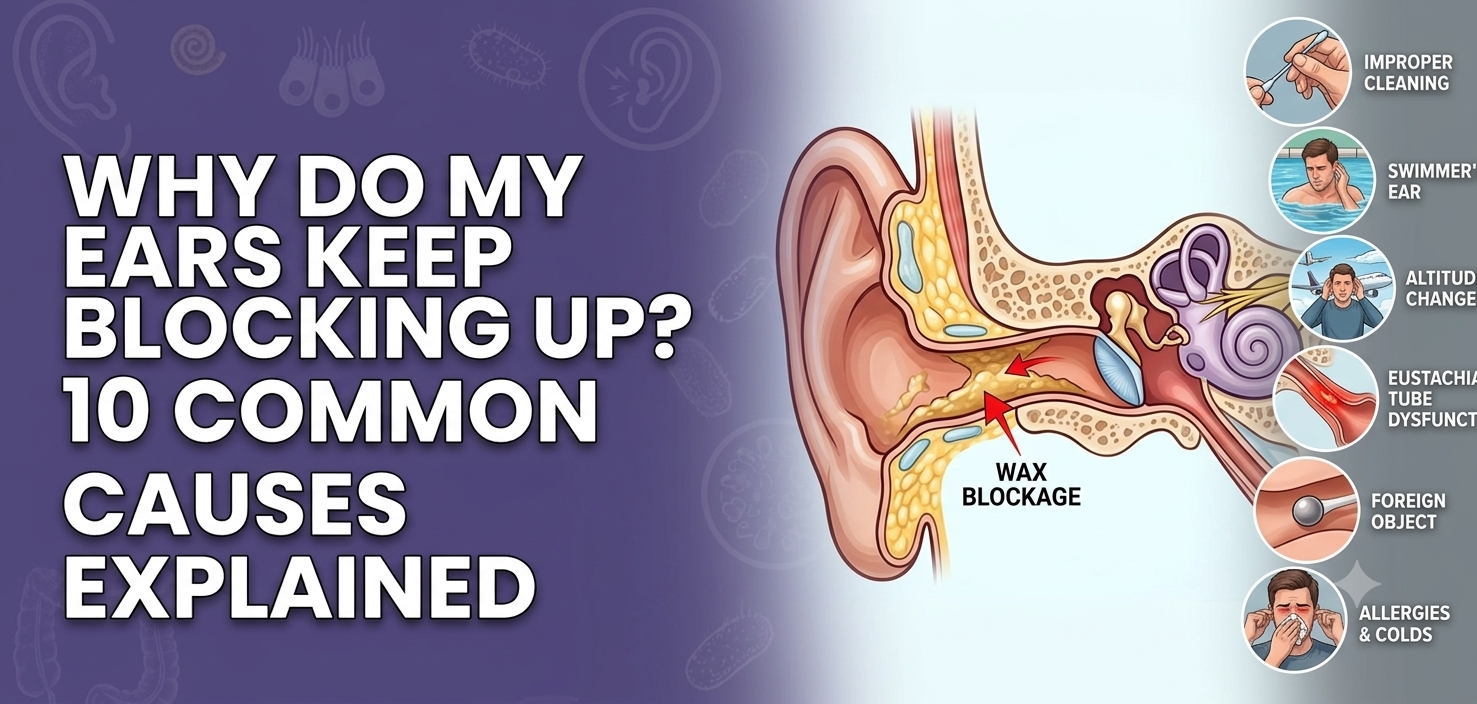
Common Signs of Ear Wax Blockage
Ear wax blockages appear in different ways.
Some symptoms are subtle.
Others are sudden and noticeable.
Look for these common signs:
- Muffled or reduced hearing in one or both ears
- A heavy or full sensation inside the ear
- Sounds that feel distant or unclear
- Ringing or buzzing noises
- Mild dizziness or off-balance moments
- Itching deep inside the ear
- Sudden coughing due to nerve stimulation
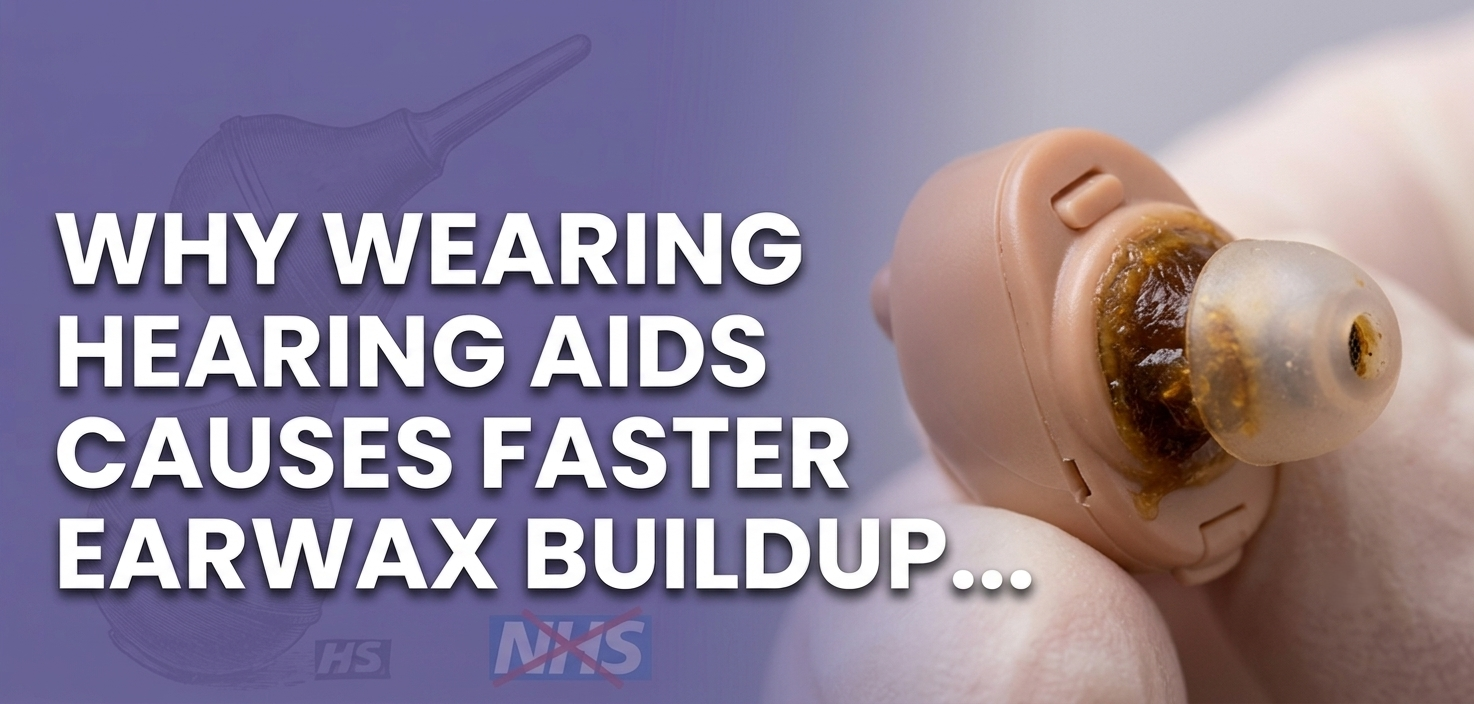
- Difficulty using earphones or hearing aids
- Increased sensitivity to loud sounds after blockage
- Headaches caused by prolonged strain
These symptoms can affect work, sleep, driving, and daily interactions.
A simple blockage can create unexpected frustration and stress.
Why Microsuction Ear Wax Removal beats every other method?
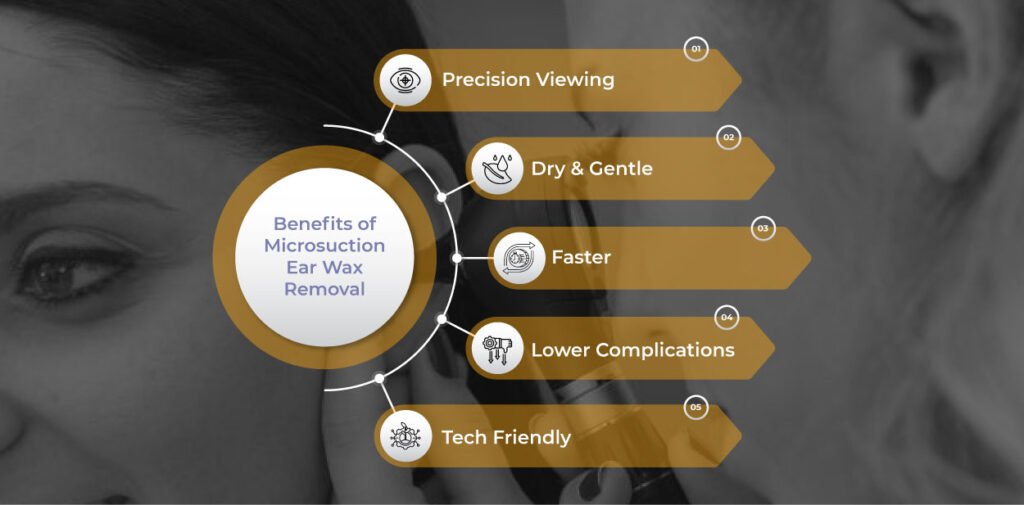
- Precision Viewing
A powerful light and magnifier let our audiologist see exactly what is happening. No guessing. - Dry & Gentle
There is no water to slosh around delicate skin. Great for patients with perforated eardrums or ear‑tube surgery history. - Faster Recovery
The vacuum clears wax in seconds. Most people feel the famous “pop” followed by instant surround‑sound hearing. - Lower Complications
Water‑based syringing can perforate the eardrum in roughly one in a thousand cases. Reported microsuction complications are much rarer and usually minor. - Tech Friendly
Wear Hearing aids or AirPods daily? Microsuction keeps electronics dry, so no downtime
How Microsuction Works: A Clear Step-by-Step Breakdown
1. Medical Review
Your specialist asks about your symptoms and medical history.
This includes allergies, ear infections, surgeries, and hearing aid use.
2. Ear Examination
A small camera shows your ear canal in detail.
You can see the wax plug on a screen if you want to.
This helps you understand the cause of your symptoms.
3. The Suction Process
A thin suction tube enters the canal.
You may hear a soft humming or slurping noise.
The specialist removes the wax in stages to avoid discomfort.
The suction strength stays low and controlled throughout.
4. Final Inspection
The specialist checks the canal again.
You can see the clear canal on the screen.
This helps you compare before and after results.
5. After-Care Guidance
You receive personalised advice for long-term ear health.
This includes tips for swimming, headphones, and wax prevention.
Most people feel instant relief and clearer hearing within seconds.
Also Read >>>
Ear Syringing: What It Is, Benefits, and Risks
Five myths that make blockages worse
- “Cotton buds remove wax.”
They actually ram wax deeper, risking eardrum damage. - “Ear candles ‘vacuum’ wax.”
Studies show the candle creates no suction and often leaves burns or melted wax deposits the NHS flat‑out warns against them. - “Olive‑oil drops alone will fix everything.”
Drops soften wax but rarely flush out a severe plug. They work best as a primer before professional removal. - “If one ear feels blocked, it will clear by itself.”
Maybe, but waiting can trigger infections or vertigo. Pro help is safer. - “Syringing and microsuction are the same.”
Syringing uses pressurised water and carries infection risk. Microsuction ear wax removal is a precise, dry technique viewed live on camera.
Your Appointment Journey
- Friendly Welcome & Quick History
We confirm allergies, previous ear issues, and medications. - HD Otoscopy Demo
See the wax plug yourself. Many patients gasp – in a good way. - Professional Microsuction
A pencil‑thin wand creates a gentle vacuum. You may hear slurping sounds for 10–15 seconds. - Real‑time Result
We show you the clear canal, then run our free online hearing test on a tablet so you can quantify the difference - After-care Chat
Personalised tips, a wax-prevention leaflet, and a mini bottle of olive-oil drops for future use.
Total chair time: about 30 minutes, shorter than your lunch break.
At‑home prep: make the appointment smoother
- Instill three drops of medical‑grade olive oil into the affected ear twice the night before and the morning of the appointment..
- Stay upright for five minutes afterward; gravity helps the oil coat the plug.
- Skip earbuds for the prep period. Let wax move outward unhindered.
Bring hearing aids or earphones to the clinic so we can test them in your newly cleared ears.

Real Story: Maria’s 180-degree Turnaround
Maria, a 54‑year‑old accountant from Ilford, endured months of dull hearing and dizziness.
Over‑the‑counter drops failed, so she Googled ear wax removal ilford and found Dewaxify.
Watching her own wax plug vanish on screen was “oddly satisfying” she adds.
The instant volume boost meant she could set her TV from level 30 down to 12.
Six weeks later her follow‑up check showed no wax regrowth, and her morning headaches had disappeared.
Maria’s story isn’t unique; countless individuals experience similar frustrations due to earwax buildup.
Like Maria, you don’t have to endure dull hearing, dizziness, or headaches any longer.
Imagine experiencing that same “oddly satisfying” moment as your hearing clarity is restored and everyday sounds come back into focus.
Long‑term after‑care and prevention
- Pop in custom swim moulds if you swim weekly – pool water can puff up residual wax.
- Schedule microsuction every six to twelve months if you naturally produce heavy wax or use hearing aids.
- Choose over‑ear headphones for music marathons; in‑ear buds act like plungers.
Bookmark our free online hearing test and run it annually – early detection beats surprise hearing dips.
Ready for crystal‑clear hearing?
Why stay in a quiet bubble when relief is one booking away? Book Now to secure your microsuction ear wax removal appointment at Dewaxify London.
Your future self, and anyone who has been reaping sentences for you will thank you.
SAME-DAY HELP AVAILABLE
Get Checked Today
Does Microsuction Ear Wax Removal hurt?
No, most people feel a light tug or tickle that lasts seconds. Discomfort is minimal.
How long is the visit?
Around 30 minutes, including safety checks and the hearing test.
Is it safe for kids?
Yes. Our paediatric audiologist treats children aged six and up.
Will the wax come back?
Your ears keep producing wax, but proper after‑care can keep them clear for months.
What does it cost?
Call us for the latest package – prices start at £60 only.
For more information, please refer to our price page.