Have you ever stood up and suddenly felt the room spin? Or have you been feeling slightly dizzy or off-balance for days but cannot put your finger on why?
It is easy to brush off dizziness as simple fatigue, dehydration, or an unexpected drop in blood pressure.
However, experiencing persistent unsteadiness alongside muffled hearing or a sensation of inner ear fullness is rarely just a passing phase. The culprit could be sitting right inside your ear canal!
This guide explains how earwax and dizziness are connected, what warning signs to watch for, and when it’s time to get your ears professionally checked.
Can Ear Wax Cause Dizziness?
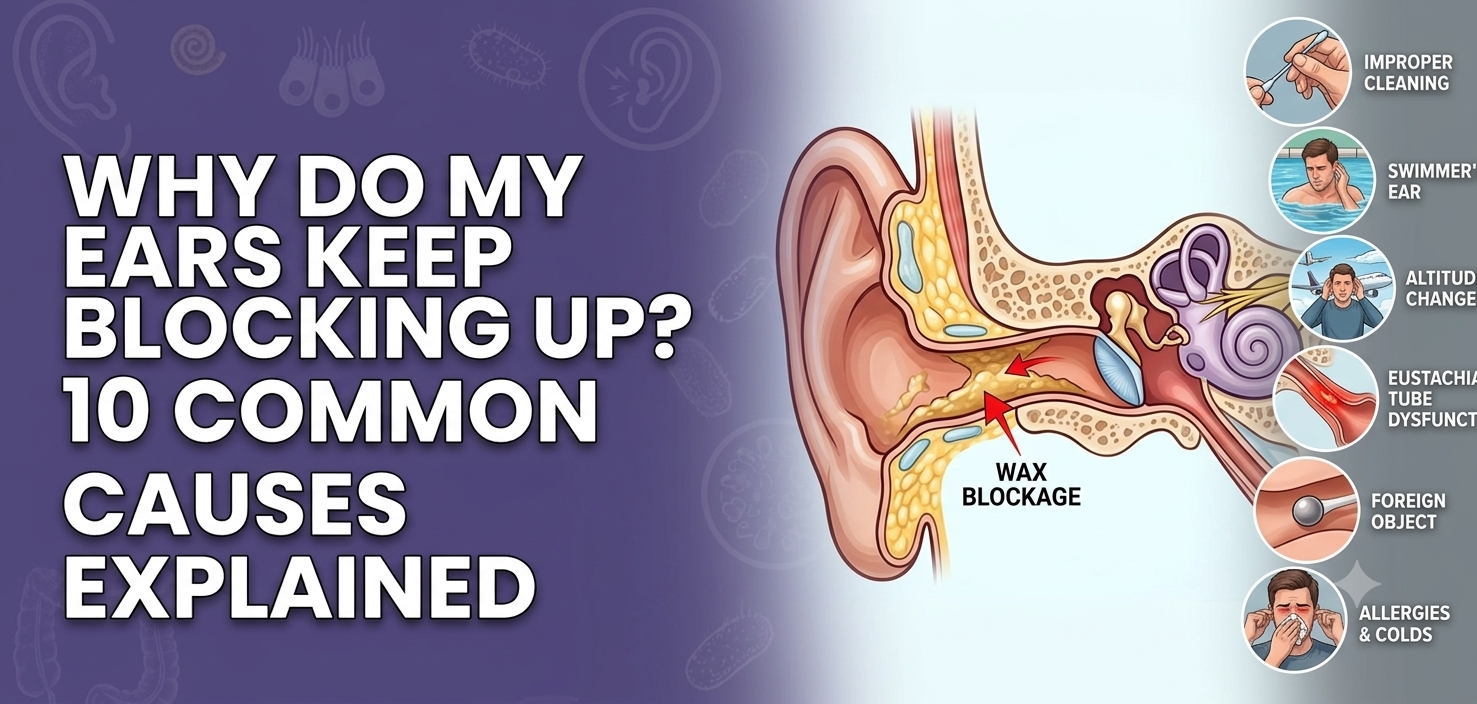
Yes, earwax can sometimes cause dizziness. A significant build-up of earwax may put pressure on the ear canal or eardrum, affecting the signals your ears send to your brain.
Although it is not the most common cause of dizziness, impacted earwax can contribute to balance problems, especially when it is accompanied by hearing changes or ear discomfort.
How Are Your Ears Connected to Balance?
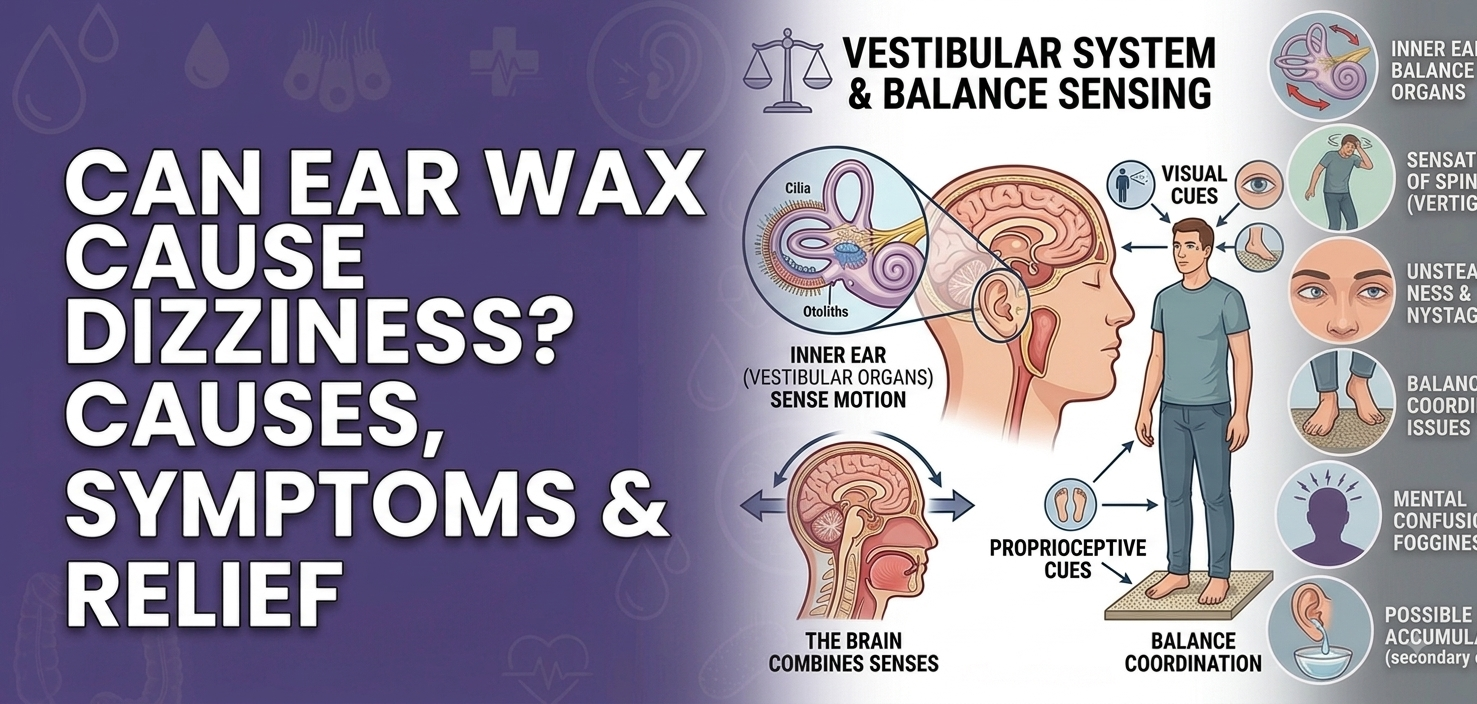
Your ears do much more than help you hear. Deep inside each ear is the vestibular system, which constantly sends information to your brain about your body’s position and movement. This system works together with your eyes and muscles to help you stay balanced while walking, standing, or turning your head.
When something interferes with the normal function of your ears, such as excessive earwax, infection, or inflammation, you may notice symptoms like dizziness or unsteadiness.
According to the UK’s NHS, problems affecting the inner ear are among the most common causes of dizziness.
How Does Earwax Cause Dizziness?
A significant build-up of wax presses against the eardrum and alters pressure inside the ear canal. This pressure change impacts in the following ways:
➡️ Affects eardrum vibrations
➡️ Interferes with signal transmission to the inner ear
➡️ Disrupts the information flow between your ear and brain.
The result is a sense of disorientation, imbalance, or dizziness.
According to the Vestibular Disorders Association, earwax forms in the outer ear rather than in the inner ear, where balance organs are located. However, a significant wax blockage can interfere with how the ear functions as a whole and may make some people feel off balance or dizzy.
Pro Tip
If your dizziness comes and goes alongside muffled hearing or a blocked feeling in the same ear, earwax is a likely cause.
Symptoms of Earwax Buildup
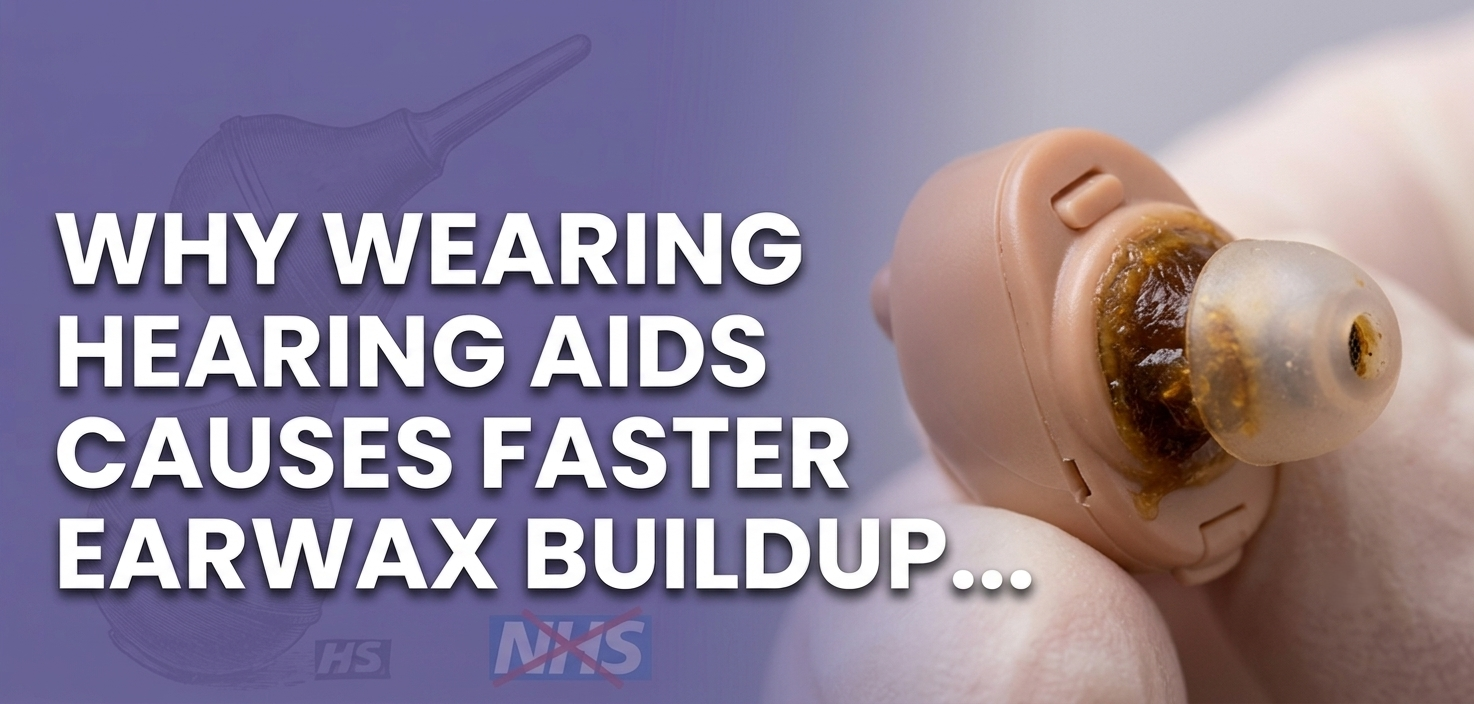
Though not always obvious at first, symptoms of earwax buildup tend to develop gradually as wax accumulates. This is why many people do not connect the dots between their earwax and dizziness.
Common signs to watch for include:
Muffled or reduced hearing
Sounds seem distant, flat, or as though you are listening through a thick barrier
A feeling of fullness or pressure
The ear feels “plugged” or blocked, similar to the sensation on a plane
Tinnitus
A ringing, buzzing, or hissing sound in the ear that has no external source
Earache or discomfort
A dull ache or sharp twinge, particularly when chewing or yawning
Itchiness inside the ear canal
An irritating sensation that is difficult to relieve
Dizziness or unsteadiness
A spinning or off-balance feeling, particularly when moving your head
The exact reason varies from person to person. Some people are more sensitive to changes in ear pressure than others.
Pro Tip
If dizziness appears alongside blocked ears and reduced hearing, avoid trying to remove the wax yourself. A professional examination can identify the exact cause safely.
Can Earwax and Vertigo Be Connected?
Earwax and vertigo are connected, but it helps to understand the distinction between dizziness and vertigo so you know what you are experiencing.
‘Dizziness’ is a broad term covering feelings of lightheadedness, unsteadiness, or a general sense of being off-balance.
Vertigo is more specific. It is the sensation that you or the world around you is spinning or moving, even when you are completely still.
Both can be caused by earwax, but vertigo tends to be more pronounced and is more commonly associated with problems that directly affect the inner ear.
Earwax can cause vertigo by pressing on the eardrum or disrupting inner ear function, which plays a central role in maintaining balance.
If dizziness develops suddenly alongside severe headache, slurred speech, facial weakness, or vision changes, seek emergency medical attention immediately, as these symptoms are unlikely to be caused by earwax alone.
Can You Tell If Earwax Is Causing Dizziness?
Sometimes, yes. Earwax-related dizziness often appears alongside symptoms such as blocked hearing, ear fullness, or tinnitus. If dizziness occurs without any ear symptoms, another medical condition may be responsible.
The comparison below can help you understand the difference.
| Earwax-Related Dizziness | Dizziness From Other Causes |
| Blocked hearing present | Hearing often unaffected |
| Ear feels full | No ear fullness |
| Symptoms improve after wax removal | Symptoms usually continue |
| May include tinnitus | Often accompanied by nausea or headaches |
| Usually mild | Can range from mild to severe |
Only a professional ear examination can confirm whether earwax is responsible for your symptoms.
Dizziness After Earwax Removal: Is It Normal?
Some people notice mild dizziness immediately after having earwax removed. In most cases, this is temporary and settles within a few minutes as the temperature inside the ear returns to normal.
There are several reasons why this can happen. During earwax removal, the ear canal is cleaned, and the eardrum is exposed again after being blocked. Your brain may take a short time to adjust to the change in hearing and pressure.
You may also experience temporary dizziness if:
✔️ The ear was heavily blocked.
✔️ Cool water was used during irrigation.
✔️ The ear canal was particularly sensitive.
✔️ You already had an underlying balance condition.
Pro Tip
Mild dizziness after earwax removal usually settles quickly. If it lasts longer than 24 hours or becomes severe, arrange a professional review.
Earwax, Dizziness, and When to Seek Help
Most cases of dizziness linked to earwax resolve once the blockage is cleared. But there are situations where the symptoms you are experiencing may point to something beyond a simple wax build-up.
You should seek prompt medical advice if:
👉 Dizziness is severe, sudden, or accompanied by vomiting.
👉 Vertigo persists for more than a few days without improvement.
👉 You experience sudden, significant hearing loss in one ear.
👉 There is pain, discharge, or an unusual odour coming from the ear.
👉 Dizziness continues even after earwax has been removed.
👉 You have a high temperature or feel generally unwell alongside ear symptoms.
These signs can indicate inner ear conditions, infections, or other issues that require a professional investigation and treatment.
Professional Ear Care and Hearing Solutions with Dewaxify
If you are experiencing blocked ears, hearing changes, or dizziness that could be linked to earwax, professional assessment is the safest next step.
At Dewaxify Audiology, our clinic in Ilford, East London, is led by HCPC-registered audiologist Sita Parmar, with over 15 years of clinical ear health experience. We specialise in safe, precise, and effective ear care for patients across London, and we are rated 4.9 stars by our patients.
Our microsuction earwax removal service is the gold standard for clearing earwax safely. We use a fine suction probe and magnification with no water, no mess, and no discomfort for most patients. Many people notice an immediate improvement in their hearing and balance after a single appointment.
If you’re concerned your dizziness may point to something more, we also offer a free hearing test for a clear picture of your hearing health. Early investigation ensures nothing is missed and gives you the answers you need to take the right next step.
Do not put up with dizziness, muffled hearing, or blocked ears when help is close by. Book your appointment with Dewaxify Audiology today and let us help you get back to feeling like yourself.
Frequently Asked Questions (FAQs)
Can ear wax cause dizziness without any hearing loss?
Yes, dizziness can be a symptom of earwax buildup, especially when wax presses on the eardrum and disrupts balance signals without blocking sound.
Can earwax and vertigo happen together?
Yes, but impacted earwax is not a common cause of true vertigo. Persistent spinning sensations are more often linked to inner ear conditions and should be assessed by a healthcare professional.
When should I seek urgent medical help for dizziness?
Seek immediate medical attention if dizziness occurs with chest pain, severe headache, facial weakness, slurred speech, double vision, or sudden hearing loss. These symptoms are unlikely to be caused by earwax alone.
Is it safe to remove earwax at home if it is causing dizziness?
Home ear drops can help soften wax, but if you are already experiencing dizziness, it is safer to seek professional removal. Attempting to remove wax yourself when balance is affected could worsen the issue or cause injury.
Is micro-suction safer than traditional water syringing for balance issues?
Yes, micro-suction is significantly safer because it uses gentle, controlled suction without introducing pressurised water. This water-free process minimises temperature shocks and protects delicate inner ear balance structures completely.