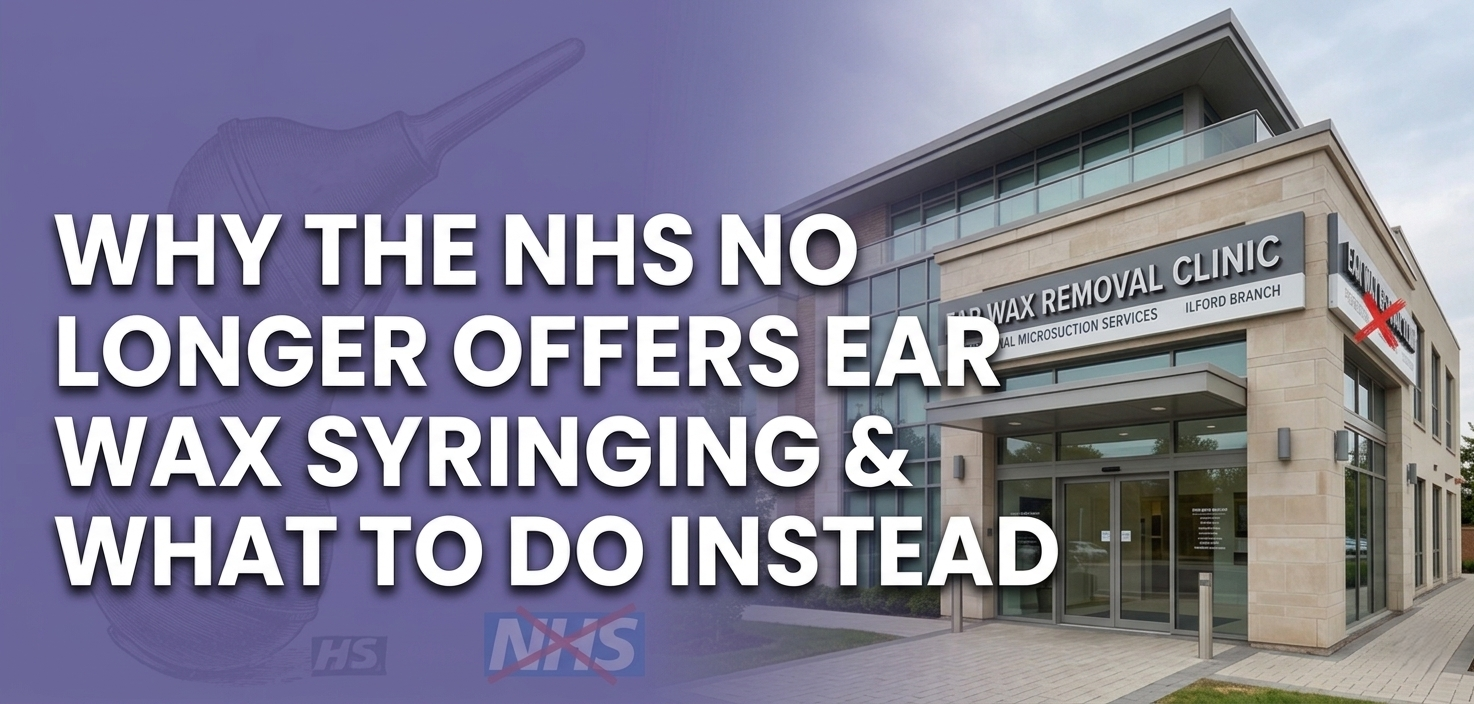
If you’ve recently contacted your GP for ear wax removal, you may have been told something unexpected: ear syringing is no longer offered by the NHS in most cases.
This change has left many people confused, especially those who relied on their local GP for routine ear care. Searches like “GP no longer doing ear syringing” and “NHS ear wax removal stopped” have surged as patients try to understand what’s changed.
In this guide, we’ll explain why the NHS stopped offering ear syringing, what it means for you, and the safe, modern alternatives you should consider today.
Why Has the NHS Stopped Offering Ear Syringing?
Ear syringing was once the go-to method for clearing ear wax.
However, the NHS has gradually phased it out—and here’s why:
1. Safety Concerns with Ear Syringing
Ear syringing involves flushing the ear canal with water to remove wax.
While effective in some cases, it comes with risks such as:
- Damage to the eardrum
- Ear infections
- Pain or dizziness
Because of these potential complications, many GP practices have stopped offering syringing altogether.
2. Shift Toward Safer Methods
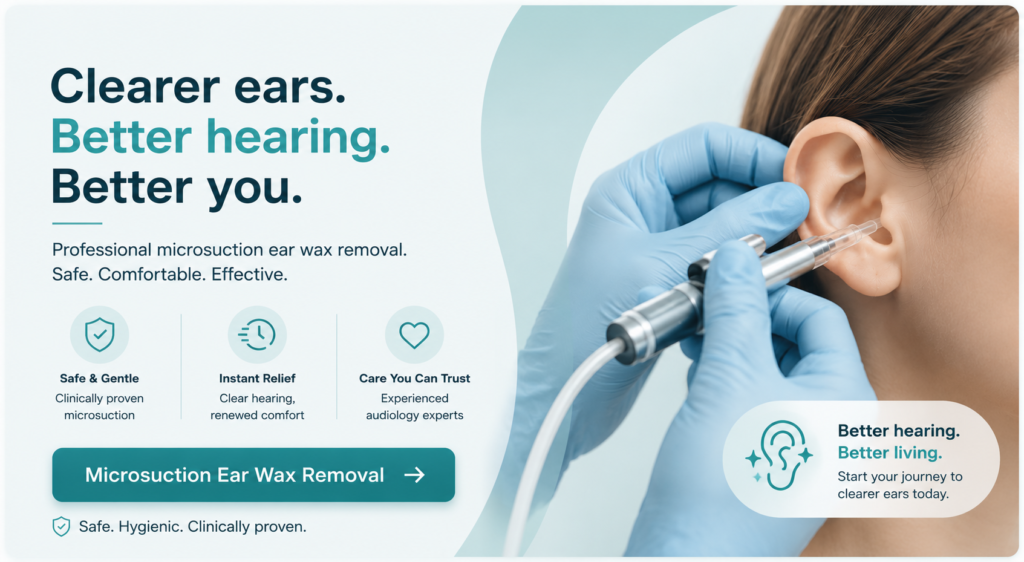
Modern ear care has moved toward safer, more controlled techniques like microsuction. These methods allow practitioners to remove wax with greater precision and visibility—reducing the risk of injury.
3. NHS Resource Prioritisation
The NHS is increasingly focused on urgent and critical care services. As a result, procedures like ear syringing considered non-essential have been deprioritised in many GP clinics.
4. Training and Equipment Limitations
Ear syringing requires proper training and equipment to be performed safely. Many GP practices no longer maintain the necessary setup, making it impractical to continue offering the service.
Does the NHS Still Offer Any Ear Wax Removal?
This is where many people get confused.
While ear syringing has largely been discontinued, NHS ear wax removal has not completely disappeared but it is very limited.
In most cases:
- GPs no longer provide routine ear wax removal
- You may only be treated if there is a medical necessity
- Referrals to specialists may involve long waiting times
This explains why so many people are now turning to private ear wax removal in the UK.
What This Means for You
If your GP no longer offers ear syringing, you’re not alone. Millions of patients across the UK are now navigating this same change.
The key takeaway is simple:
You’ll likely need to look beyond the NHS for quick and effective ear wax removal.
Ear Syringing Alternatives: Safer Options Available Today
The good news? Ear care has evolved—and there are now better alternatives to ear syringing.
1. Microsuction (Gold Standard)
Microsuction is widely regarded as the safest and most effective ear wax removal method today.
How it works:
- A specialist uses a small suction device
- The procedure is done under direct visual guidance
- Wax is removed gently and precisely
Why it’s better than syringing:
- No water involved
- Lower risk of infection
- Suitable for sensitive ears
- Quick and comfortable
This is the method used by most private ear wax removal clinics in the UK, including Dewaxify.
2. Manual Removal (Curette Method)
In this method, a trained professional uses fine instruments to remove wax manually.
Best suited for:
- Hard or impacted wax
- Cases where suction may not be ideal
It’s safe when performed by experienced practitioners.
Also Read>>
Ear Infection or Something Else? How to Identify Ear Infection Symptoms and Get Relief
3. Ear Drops (Supportive Treatment)
Ear drops can help soften wax before professional removal.
Common options:
- Olive oil
- Sodium bicarbonate drops
Note: Drops alone are rarely enough for impacted wax but can make removal easier and more comfortable.
Why Private Ear Wax Removal Is Now the Preferred Choice
With NHS services limited, private clinics have become the primary solution for ear wax removal in the UK.
Here’s why more people are choosing private care:
Faster Appointments
No waiting weeks—often same-day or next-day availability.
Advanced Techniques
Clinics use modern methods like microsuction instead of outdated syringing.
Specialist Expertise
Treatments are performed by trained professionals who focus on ear health.
At-Home Convenience
Many services, like Dewaxify, offer home visits, saving you time and effort.
Signs You May Need Ear Wax Removal
Not sure if you need treatment? Look out for these symptoms:
- Blocked or muffled hearing
- A feeling of fullness in the ear
- Ringing sounds (tinnitus)
- Earache or discomfort
- Dizziness
If you’re experiencing any of these, it’s best to act early before the problem worsens.
What to Avoid After NHS Syringing Is No Longer Available
With fewer NHS options, many people try DIY solutions but some can do more harm than good.
Avoid Cotton Buds
They push wax deeper into the ear canal.
Avoid Ear Candling
This is unsafe and not medically recommended.
Avoid Waiting Too Long
Delaying treatment can lead to impacted wax and more complex issues.
What to Expect from a Modern Ear Wax Removal Appointment
If you book a private appointment, the process is simple and efficient:
- Ear Examination
A specialist checks your ear using a magnified view. - Wax Removal
Microsuction or manual removal is performed safely. - Aftercare Advice
You’ll get guidance on preventing future build-up.
Most appointments take 15–30 minutes, with immediate results.
Final Thoughts: Moving Beyond Ear Syringing
The NHS decision to stop offering ear syringing reflects a broader shift toward safer, more advanced ear care practices.
While it may feel inconvenient at first, it ultimately benefits patients by:
- Reducing risks
- Encouraging better treatment methods
- Improving overall ear health outcomes
Today, options like microsuction offer a more reliable and comfortable experience than traditional syringing ever could
NHS Ear Syringing FAQs
Why has the NHS stopped offering ear syringing?
The NHS has stopped offering ear syringing in most cases due to safety concerns, resource prioritisation, and a shift toward safer methods like microsuction.
Do GPs still offer ear syringing?
Most GP practices no longer provide ear syringing as a routine service. It may only be available in rare or medically necessary cases.
What is the safest alternative to ear syringing?
Microsuction is considered the safest alternative. It removes ear wax using gentle suction under direct visual guidance, reducing risks associated with water-based methods.
Can I still get ear wax removal on the NHS?
Yes, but access is limited. NHS ear wax removal is usually only offered in specific medical cases, often requiring referrals and longer waiting times.
Should I choose private ear wax removal?
Private ear wax removal is a popular option due to faster appointments, safer techniques like microsuction, and access to specialist care.