

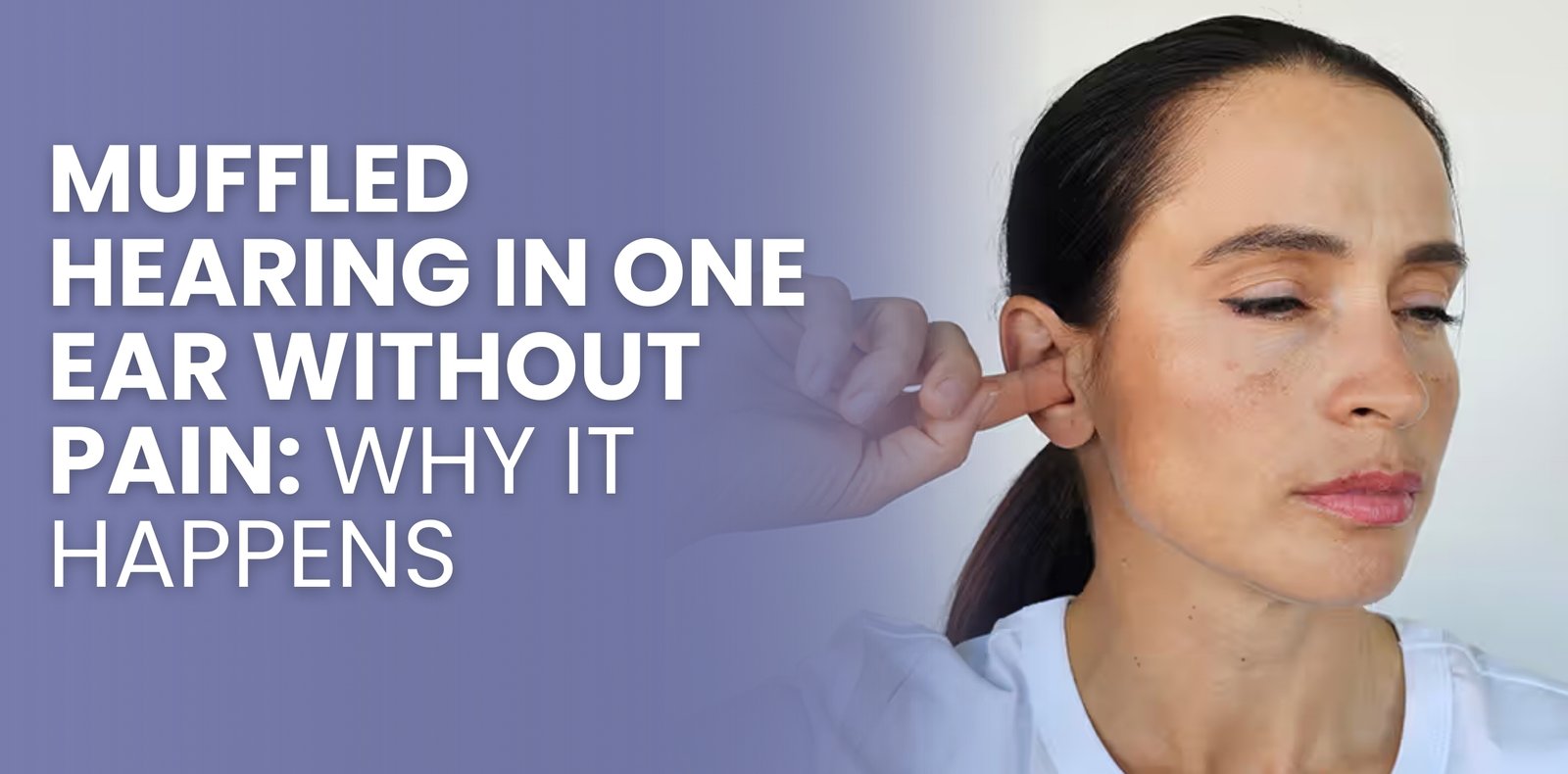
Noticing muffled hearing in one ear without pain can feel unsettling.
You might feel like sound is dulled, distant, or as if you are underwater, yet there is no earache, discharge, or obvious blockage.
This situation is more common than most people think.
In many cases, the cause is mild and treatable, especially when identified early.
However, one-sided hearing changes should never be ignored completely, even if they are painless.
This guide explains:
- Why muffled hearing can affect only one ear
- The most common causes when there is no pain
- What you can do at home
- When to seek professional assessment at Dewaxify
What Does “Muffled Hearing” Actually Mean?
Muffled hearing means sounds are quieter, less sharp, or distorted.
You may still hear, but clarity is reduced.
People often describe it as:
- Feeling like the ear is blocked
- Hearing through cotton
- Reduced clarity rather than total loss
- One ear sounding different from the other
When this happens in one ear, it is usually related to pressure, fluid, wax, or nerve sensitivity.
Common Causes of Muffled Hearing in One Ear
| Cause | Where the Issue Is | Typical Signs |
| Ear wax build-up | Ear canal | Fullness, reduced clarity |
| Middle ear fluid | Behind eardrum | Dull hearing, pressure |
| Eustachian tube dysfunction | Pressure system | Popping, muffled sound |
| Sinus congestion | Nasal passages | Worse with colds |
| Jaw or neck tension | Muscles and nerves | No pain, fluctuating |
| Sudden sensorineural change | Inner ear | Sudden muffling |
| Noise exposure | Inner ear cells | Reduced clarity |
Common Causes of Muffled Hearing in One Ear
Muffled hearing in one ear without pain usually happens when sound transmission or pressure balance is disrupted on one side of the ear system.
In most cases, the cause is not serious, but understanding where the problem originates, the ear canal, middle ear, or inner ear is key to choosing the right next step.
Below are the most common reasons this type of one-sided hearing change occurs, explained in order from most common and easily treatable to less common but more urgent.
1. Ear Wax Build-Up
Ear wax is the leading cause of muffled hearing in one ear, especially when there is no pain or infection. Wax does not always cause discomfort.
In many cases, it gradually blocks sound from reaching the eardrum, leading to reduced clarity rather than complete hearing loss.
This often happens unevenly, meaning one ear becomes blocked while the other remains normal.
You may notice wax-related muffled hearing if:
- One ear sounds noticeably duller than the other
- There is a full, heavy, or blocked sensation
- Hearing improves briefly after yawning or jaw movement
- Symptoms worsen after showering as wax absorbs moisture
Professional microsuction safely removes impacted wax and, in many cases, restores hearing immediately.
Also Read >>>>>
Ear Feels Blocked but No Wax? What’s Really Causing That Fullness and How to Stop It
2. Fluid Behind the Eardrum
Fluid trapped in the middle ear can cause muffled hearing in one ear without pain, particularly after a cold, sinus infection, or allergy flare-up.
This fluid limits how effectively the eardrum vibrates, reducing sound clarity.
Unlike wax, there is often no visible blockage when looking into the ear canal.
Typical features
- Muffled hearing without pain
- Crackling sounds when swallowing
- Pressure that comes and goes
- No visible blockage in the ear canal
Fluid usually resolves on its own, but persistent cases need evaluation.
3. Eustachian Tube Dysfunction
Eustachian Tube Dysfunction is one of the prime reasons behind muffled hearing.
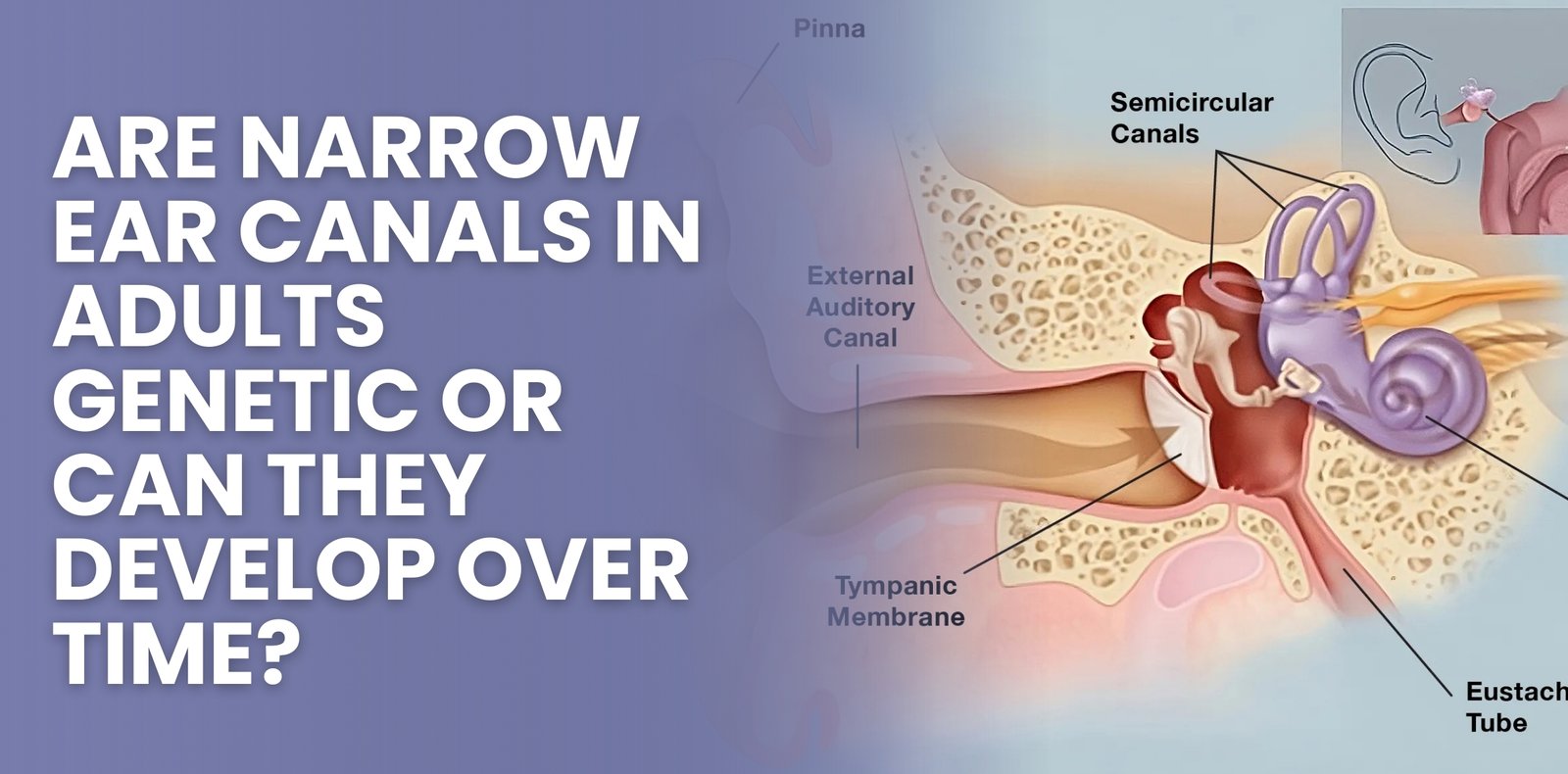
The Eustachian tube helps equalise air pressure between the middle ear and the throat.
When it becomes inflamed or blocked, pressure cannot regulate properly, causing muffled hearing often in just one ear.
This condition is a very common cause of muffled hearing in one ear without pain, particularly during or after upper respiratory illness.
It may be triggered by:
- Recent cold or flu
- Allergies
- Flying or altitude changes
People often describe:
- A blocked or “closed” ear sensation
- Popping or clicking sounds
- Hearing that improves temporarily, then dulls again
This is a frequent cause of muffled hearing in one ear without pain.
4. Sinus Congestion
Sinus inflammation can affect one side of the face more than the other. When this happens, pressure can transfer to the ear on the same side, leading to one-sided muffled hearing.
This is more likely if muffled hearing appears alongside nasal symptoms.
Common indicators include:
- Facial pressure
- Worse when bending forward
- Improves as congestion clears
Once sinuses settle, hearing usually returns to normal.
5. Jaw or Neck Muscle Tension
The muscles and nerves of the jaw and neck are closely connected to the ear.
Tension or misalignment in these areas can subtly affect how sound is processed, causing muffled hearing in one ear even when the ear itself is healthy.
This cause is often overlooked because ear examinations appear normal.
It is commonly linked to:
- Stress
- Teeth grinding
- Poor posture
- Long screen time
Clues
- No pain or discharge
- Ear exam appears normal
- Symptoms fluctuate during the day
Relaxation often improves this type of muffled hearing.
Also Read >>>>>
Ear Pressure from Sinus, Cold or Flu: Why It Happens & How to Fix it
6. Sudden Sensorineural Hearing Changes
Although rare, muffled hearing in one ear without pain can sometimes involve the inner ear or hearing nerve.
This type of change is not related to wax or pressure and should be treated as urgent.
Possible warning signs
- Sudden onset over hours or days
- Ringing in the ear
- Slight imbalance
- No feeling of blockage
This requires urgent medical assessment, as early treatment improves outcomes.
Harmless vs Urgent Causes of One-Sided Muffled Hearing
| Usually Harmless | Usually Needs Urgent Care |
| Wax build-up | Sudden hearing loss |
| Middle ear fluid | Hearing drop with ringing |
| Sinus congestion | Hearing change with dizziness |
| Jaw tension | No improvement after days |
What You Can Do at Home for Muffled Hearing in One Ear
If muffled hearing in one ear is mild, recent, and not accompanied by pain, dizziness, or sudden hearing loss, there are a few safe, conservative steps you can try at home.
These measures aim to reduce pressure, improve natural drainage, and prevent symptoms from worsening while you monitor changes.
It’s important to remember that home care should only be a short-term approach. If hearing does not improve or symptoms persist, professional assessment is always recommended.
- Avoid Cotton Buds or Ear Tools
Using cotton buds, tissues, or any objects in the ear canal often makes muffled hearing worse rather than better. These tools push ear wax deeper toward the eardrum, increasing blockage and making removal more difficult.
In some cases, this can turn mild muffling into sudden hearing loss or irritation.
Best practice: Keep the ear canal dry and untouched unless advised by a professional.
- Use Steam Inhalation for Congestion Relief
Steam inhalation can help reduce inflammation in the nasal passages and Eustachian tubes, which often contribute to muffled hearing in one ear without pain.
This is particularly useful if symptoms started after:
- A cold or flu
- Sinus congestion
- Seasonal allergies
Gentle steam helps loosen mucus and improve airflow, which may gradually restore hearing clarity.
- Try Gentle Pressure Equalisation
When pressure imbalance is the cause, simple movements can help the ear regulate naturally.
Safe techniques include:
- Swallowing
- Yawning
- Chewing gum
These actions encourage the Eustachian tube to open without forcing pressure.
Avoid forceful methods, such as blowing hard with your nose pinched, as this can worsen symptoms or irritate the middle ear.
- Stay Well Hydrated
Hydration plays an often-overlooked role in ear health. Drinking enough fluids helps thin mucus, improves sinus drainage, and supports pressure balance within the ear system.
Dehydration can make congestion thicker and more persistent, prolonging muffled hearing.
- Rest Your Jaw and Neck
Jaw tension and poor posture can subtly affect hearing perception in one ear.
If you clench your jaw, grind your teeth, or spend long hours at a screen, these habits may contribute to fluctuating muffled hearing.
Helpful steps include:
- Taking regular screen breaks
- Relaxing the jaw and shoulders
- Maintaining good posture
- Avoiding excessive clenching or grinding
Many people notice improvement once muscle tension reduces.

What Not to Do
- Do not ignore symptoms lasting longer than two weeks
- Do not use ear candles
- Do not repeatedly use drops without diagnosis
- Do not assume it will always resolve on its own
When to See a Specialist
Book an ear assessment if:
- Muffled hearing lasts more than 10 to 14 days
- One ear sounds significantly different
- Hearing worsens suddenly
- You notice ringing or imbalance
- Home remedies do not help
Early evaluation protects hearing and prevents complications.
Dewaxify: Specialists in One-Sided Hearing Changes
Dewaxify is a professional ear care clinic based in Ilford, East London, founded in April 2017 by Sita Parmar, an Audiological Scientist.
We regularly assess patients with muffled hearing in one ear and no pain.
Our goal is to identify the exact cause and provide clear answers.
What We Offer
- HD Otoscopy to inspect the ear canal and eardrum
- Microsuction Ear Wax Removal
- Hearing Tests to detect subtle changes
- Middle ear pressure assessment
- Referral guidance when needed
Appointment Information
- Prices from £60
- 20 to 30 minute appointments
- Suitable for adults and children aged six and above
Why Early Assessment Matters
Most causes of muffled hearing are easily treatable.
However, inner ear causes need prompt attention.
Checking early ensures:
- Faster recovery
- Peace of mind
- Protection of long-term hearing
SAME-DAY HELP AVAILABLE
Get Checked Today
FAQs
Why is my hearing muffled in one ear but not painful?
Common causes include wax build-up, fluid, pressure imbalance, or muscle tension.
Can muffled hearing go away on its own?
Yes, especially if related to congestion or fluid. Persistent symptoms need checking.
When should I worry about one-sided muffled hearing?
If it appears suddenly, worsens, or includes ringing or imbalance
Will ear drops help?
Only if wax is present. Drops do not help pressure or nerve-related causes.
Is microsuction safe?
Yes. It is the safest method for removing wax and restoring hearing clarity.