

Ear wax usually moves out of the ear on its own.
But in some people, it becomes hard, dry, and tightly packed, forming what is known as hard impacted ear wax.
This type of wax is one of the most common reasons people experience sudden hearing loss, pressure, ringing, or blocked ears that do not respond to drops.
It is also one of the hardest types of wax to remove safely without professional equipment.
This guide explains:
- What hard impacted ear wax is
- Why it forms and who is most at risk
- Why it is so difficult to remove at home
- The safest and most effective treatment options
- When to seek professional care at Dewaxify
What Is Hard Impacted Ear Wax?
Hard impacted ear wax is wax that has:
- Lost its natural moisture
- Become dry and rigid
- Compacted deep inside the ear canal
- Adhered tightly to the canal walls or eardrum
Unlike soft wax, impacted wax does not move naturally.
It behaves more like a solid plug than a soft barrier.
Normal Ear Wax vs Hard Impacted Ear Wax
| Feature | Normal Ear Wax | Hard Impacted Ear Wax |
| Texture | Soft and sticky | Dry and rock-like |
| Movement | Moves outward naturally | Stuck in place |
| Removal | Often clears itself | Needs professional removal |
| Symptoms | Mild or none | Hearing loss, pressure |
| Risk level | Low | High if untreated |
Why Does Ear Wax Become Hard and Impacted?
Hard impacted wax does not happen overnight.
It develops gradually due to a combination of factors.
1. Age-Related Changes
As we age, ear wax becomes drier.
Glands produce less oil, causing wax to harden and stick.
This is one of the most common causes in adults over 40.
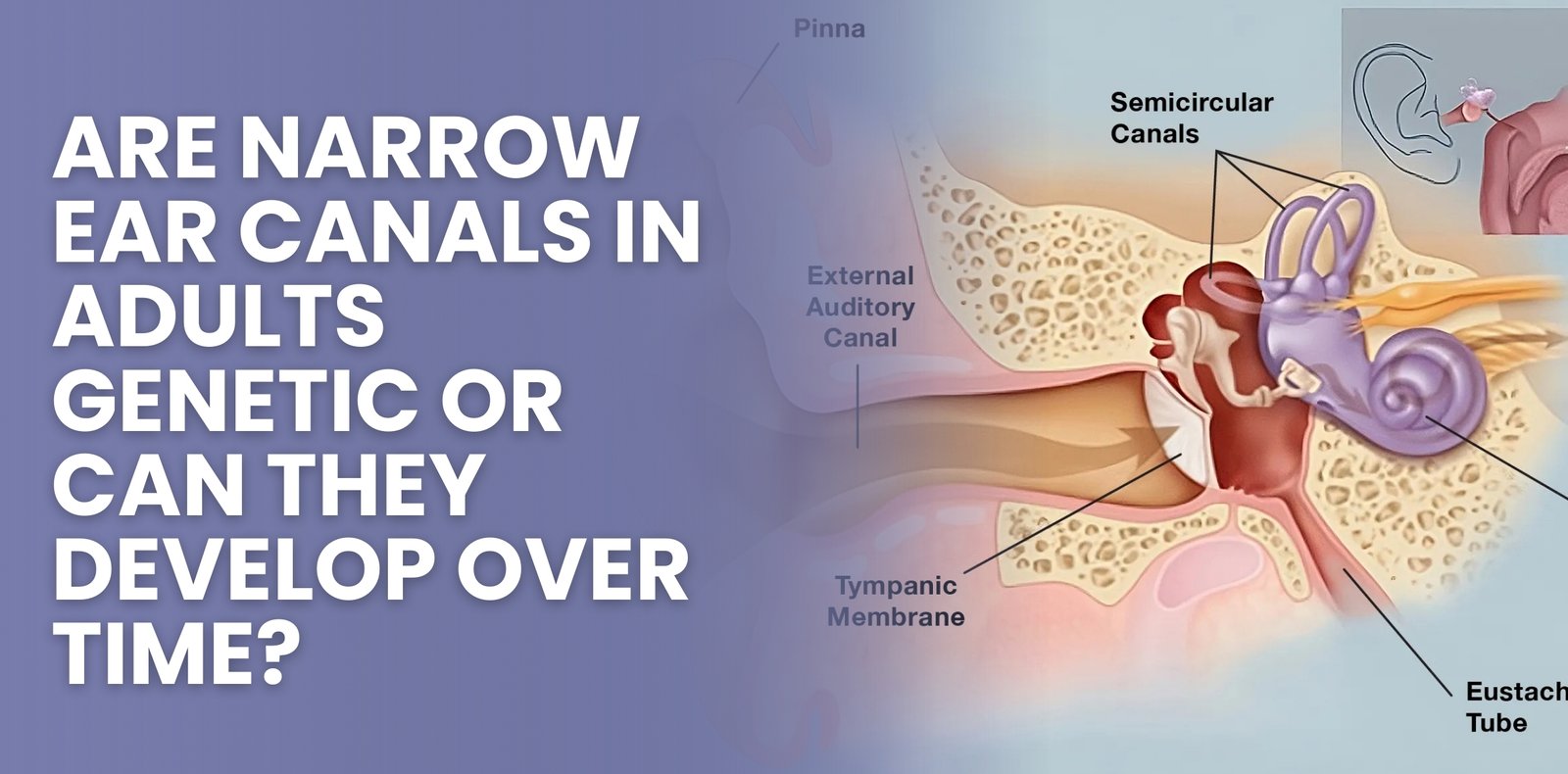
2. Narrow or Curved Ear Canals
People with narrow or sharply curved ear canals cannot clear wax easily.
Wax accumulates, compresses, and hardens over time.
3. Cotton Bud Use
Cotton buds push wax deeper rather than removing it.
Repeated use compacts wax until it becomes hard and impacted.
4. Hearing Aids and Earbuds
Devices worn in the ear block natural wax migration.
They also push wax inward with daily use.
5. Infrequent Ear Cleaning
Avoiding professional ear checks for long periods allows wax to harden unnoticed.
6. Repeated Exposure to Water
Water causes wax to swell, then dry out again.
This repeated cycle contributes to hardening.
Who Is Most at Risk of Hard Impacted Ear Wax
| Risk Factor | Why It Matters |
| Age over 40 | Wax becomes drier |
| Narrow ear canals | Poor wax migration |
| Cotton bud use | Wax compaction |
| Hearing aid users | Blocked wax exit |
| Swimmers | Repeated wax swelling |
| Previous blockages | Higher recurrence |
Symptoms of Hard Impacted Ear Wax
Hard impacted wax often causes more noticeable symptoms than soft wax.
Common symptoms include:
- Sudden or gradual hearing loss
- Feeling of fullness or pressure
- Ringing in the ear
- Earache without infection
- Dizziness or imbalance
- Cough triggered by ear stimulation
- Crackling or popping sounds
These symptoms often worsen suddenly when the wax fully blocks the canal.
Why Hard Impacted Ear Wax Is So Difficult to Remove
Hard impacted wax is challenging because of how it behaves inside the ear.
1. It Adheres to the Ear Canal
Hard wax sticks to the skin and does not loosen easily.
2. Drops Often Fail
Oil drops soften only the surface.
The core of the wax plug remains solid.
3. Risk of Injury
Trying to remove hard wax at home can:
- Scratch the canal
- Damage the eardrum
- Cause infection
- Push wax further inward
4. Syringing Is Often Ineffective
Water struggles to penetrate hardened wax.
Pressure can worsen impaction or cause pain.
Why Home Remedies Usually Do Not Work
Many people attempt home solutions before seeking help.
Common mistakes
- Repeated olive oil use without improvement
- Over-the-counter sprays on hard wax
- Bulb syringes
- Hairpins or tissues
- Ear candles
These methods rarely succeed and often delay proper treatment.
The Safest Way to Remove Hard Impacted Ear Wax
The gold standard treatment is microsuction ear wax removal.
Microsuction uses a controlled suction device under magnification to gently lift wax away without water.
Why microsuction is ideal for hard wax
- Precise and targeted
- No pressure or flushing
- Safe for hardened wax
- Immediate relief
- Suitable for narrow canals
In some cases, short-term softening drops may be used before microsuction, but many hard wax plugs can be removed without pre-treatment.
Wax Removal Methods Compared
| Method | Safe for Hard Wax | Effectiveness |
| Cotton buds | No | Ineffective |
| Ear candles | No | Dangerous |
| Syringing | Often no | Unreliable |
| Oil drops alone | Limited | Temporary |
| Microsuction | Yes | Highly effective |
What Happens During Microsuction for Hard Wax
At Dewaxify, treatment follows a careful, patient-focused process.
Step-by-step
- Full consultation and symptom review
- HD otoscopy to visualise wax
- Gentle microsuction under magnification
- Immediate re-check to confirm clearance
- Hearing improvement assessment
Most patients experience instant relief.
Aftercare Following Removal
Once hard wax is removed, aftercare helps prevent recurrence.
Recommended aftercare
- Avoid cotton buds
- Use olive oil drops occasionally
- Keep ears dry after swimming
- Limit earbud use
- Schedule preventive check-ups
Preventive care is especially important for those with narrow canals.
When to See a Specialist Immediately
Do not delay assessment if:
- Hearing suddenly drops
- Ear pain increases
- Dizziness develops
- Ringing worsens
- Home treatments fail
Hard impacted wax left untreated can increase infection risk and prolong hearing loss.
Dewaxify: Specialists in Hard Impacted Ear Wax
Dewaxify is a professional ear care clinic based in Ilford, East London, founded in April 2017 by Sita Parmar, an Audiological Scientist.
We regularly treat patients with severe, long-standing wax impaction using safe microsuction techniques.