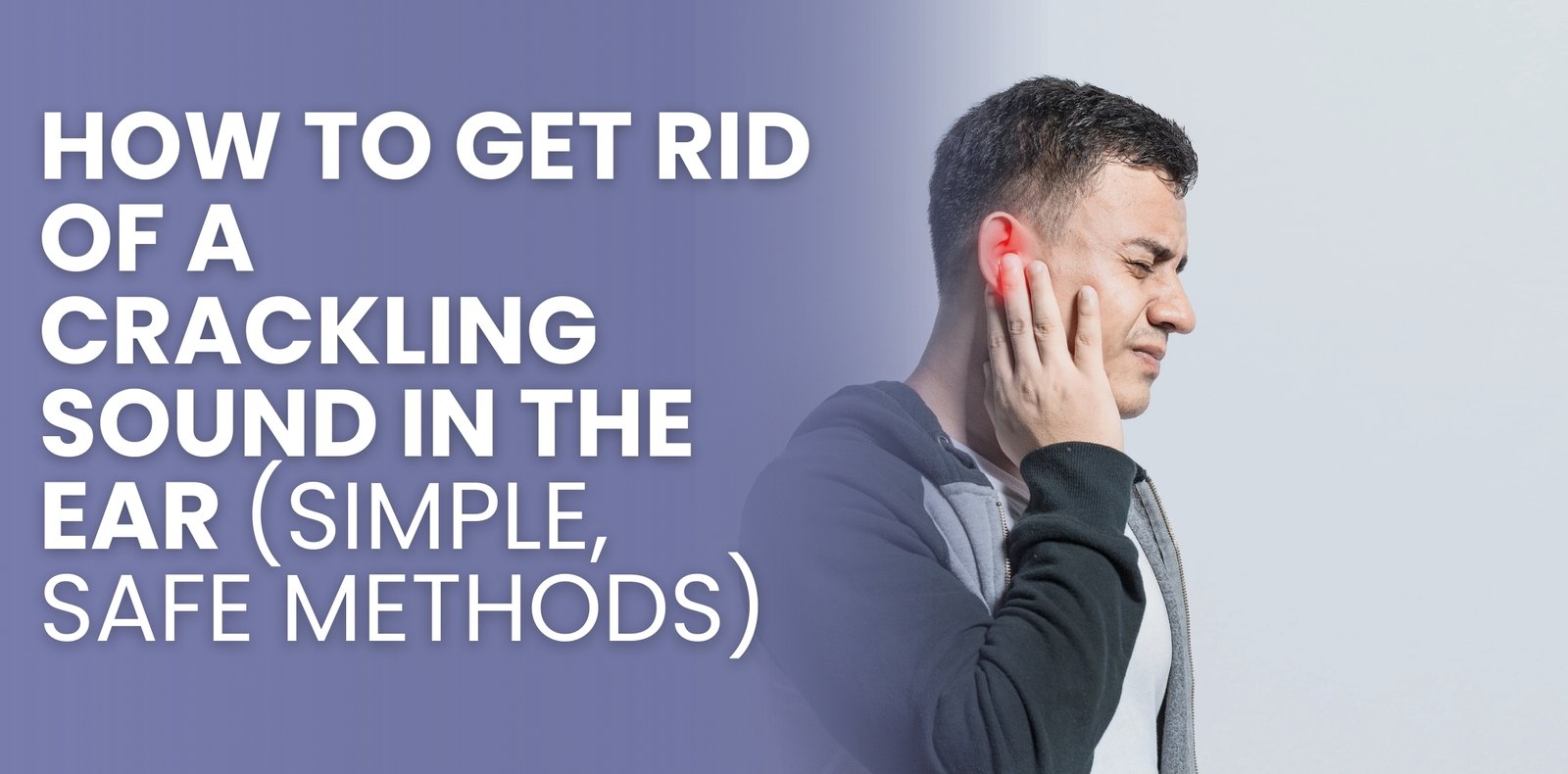
A crackling sound in the ear can feel strange, distracting, and sometimes worrying.
Some people notice it when swallowing, yawning, or chewing. Others hear a popping sound in the ear that comes and goes without pain.
In most cases, this noise is harmless and related to pressure changes or mild blockage.
However, if crackling persists, worsens, or affects hearing, it should be checked.
This guide explains:
- Why you hear crackling or popping sounds in the ear
- The most common causes
- How to get rid of crackling sound in ear safely
- When to see a specialist at Dewaxify
What Does a Crackling or Popping Sound Mean?
Crackling or popping usually comes from movement of air or fluid inside the middle ear.
It can also come from wax shifting or muscles near the ear contracting.
People often describe it as:
- Rice-krispies sound
- Crackle when swallowing
- Pop when yawning
- Clicking or fluttering
The key point is that sound itself does not always mean damage.
Common Causes of Crackling Sound in the Ear
| Cause | Where It Happens | Typical Triggers |
| Eustachian tube opening | Middle ear pressure system | Swallowing, yawning |
| Fluid behind eardrum | Middle ear | Head movement |
| Ear wax movement | Ear canal | Chewing, jaw motion |
| Sinus congestion | Nasal passages | Colds, allergies |
| Jaw (TMJ) tension | Jaw joint near ear | Stress, chewing |
| Muscle spasms | Tiny ear muscles | Fatigue, anxiety |
1. Eustachian Tube Function
The most common cause of crackling is the Eustachian tube opening and closing.
This tube equalises pressure between the ear and throat.
Why it crackles
When the tube opens unevenly, air moves in short bursts, creating popping or crackling sounds.
When it happens
- Swallowing
- Yawning
- During a cold or allergy flare
- After flying
This is normal unless symptoms persist.
2. Fluid Behind the Eardrum
After a cold or sinus infection, fluid can remain trapped in the middle ear.
As you move your head or swallow, this fluid shifts, creating crackling noises.
Signs this may be the cause
- Muffled hearing
- Fullness
- Crackling with head movement
- No pain
Fluid often clears on its own but may take weeks.
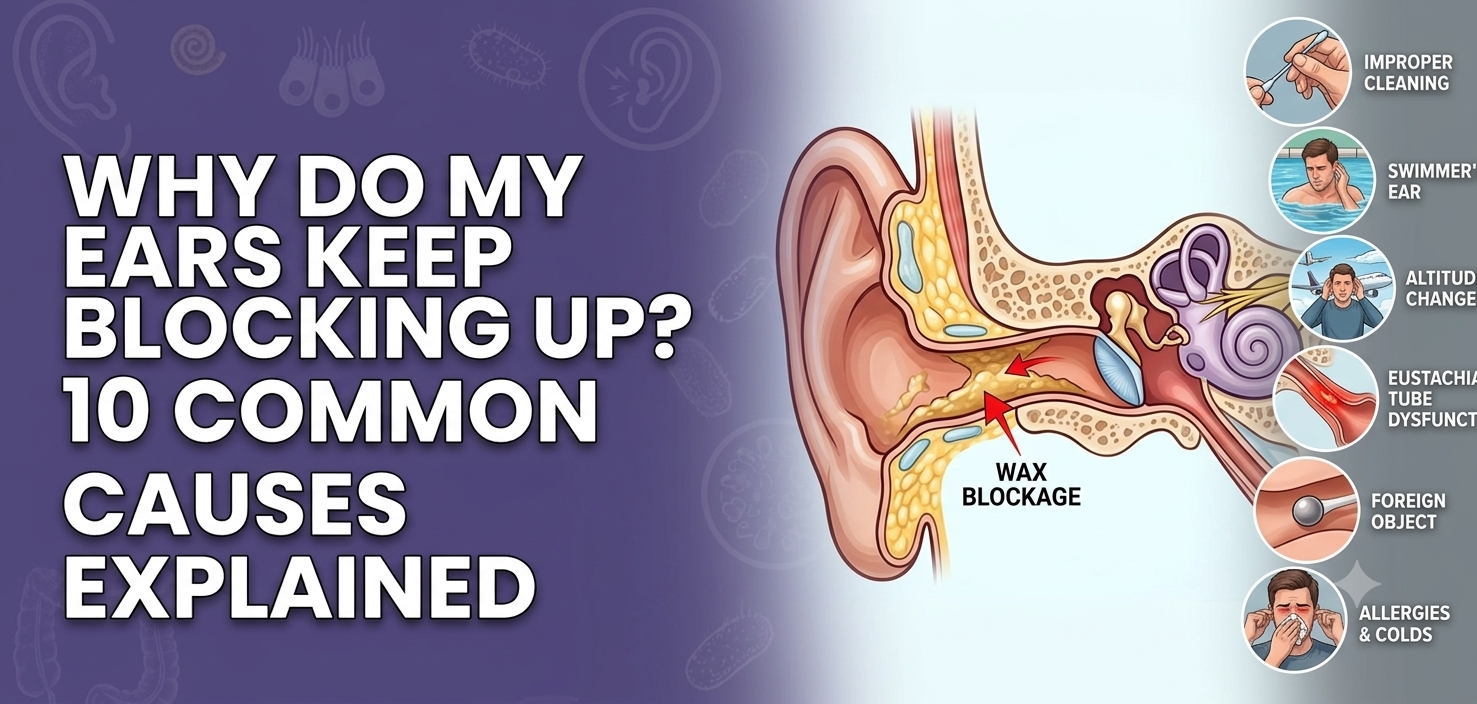
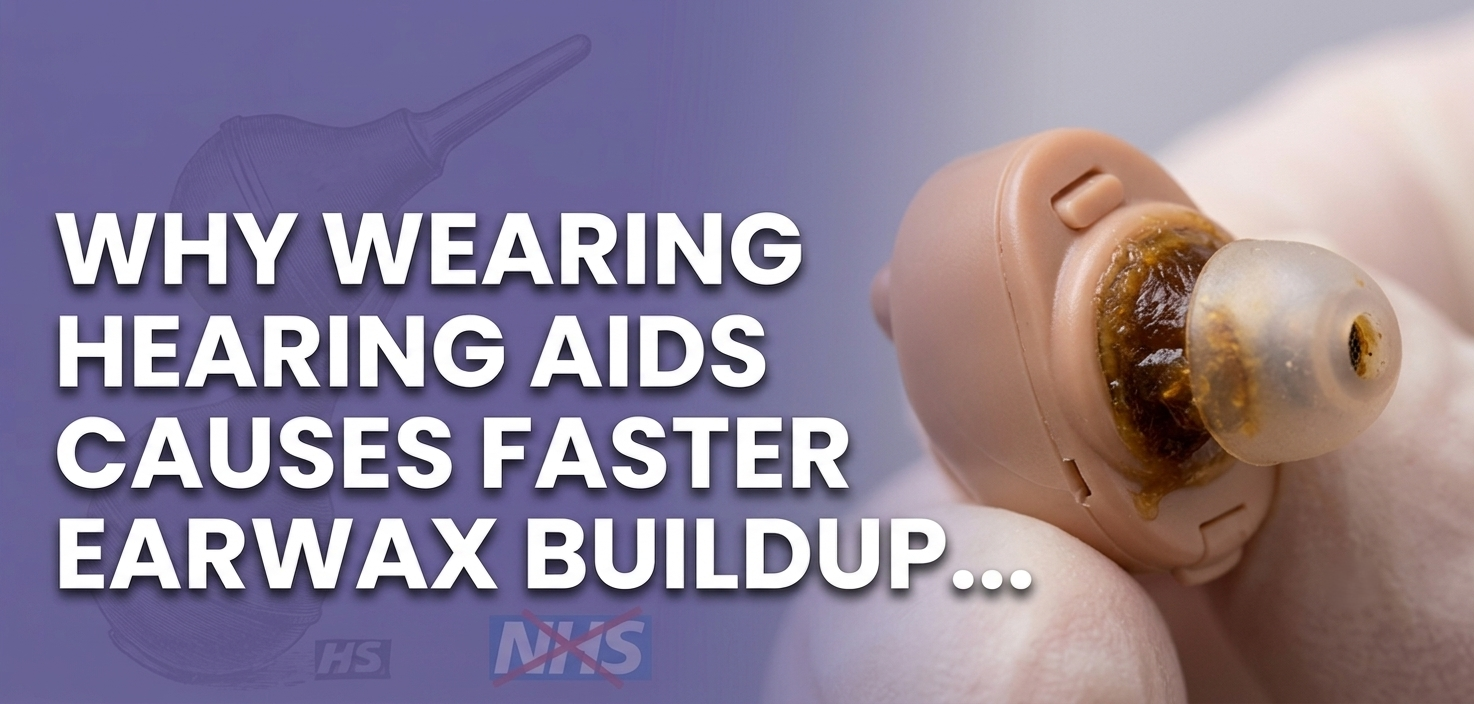
3. Ear Wax Shifting
Wax does not always block the ear completely.
Sometimes it moves slightly when you chew or talk, producing a crackling sound.
Common clues
- Crackle when chewing
- Itchy ear
- Full sensation
- Temporary hearing changes
Microsuction removes wax safely and stops the noise instantly in many cases.
4. Sinus Congestion and Pressure
Your sinuses connect closely to your ears.
Congestion causes pressure changes that trigger popping or crackling.
Typical situations
- Colds
- Flu
- Seasonal allergies
As sinus swelling reduces, ear sounds usually stop.
5. Jaw Joint (TMJ) Issues
The jaw joint sits just in front of the ear.
Jaw movement can transmit sound directly to the ear.
Signs it is jaw-related
- Clicking jaw
- Ear crackle when chewing
- No hearing loss
- Neck or facial tension
Reducing jaw strain often resolves symptoms.
6. Stress and Muscle Spasms
Tiny muscles inside the ear can spasm during stress or fatigue.
This may cause clicking, fluttering, or crackling sounds.
Indicators
- Sound comes and goes
- Worse during anxiety
- Ear exam appears normal
Relaxation and reassurance often help.
Harmless vs Concerning Ear Crackling
| Usually Harmless | Needs Assessment |
| Crackling when swallowing | Crackling with hearing loss |
| Popping during colds | Persistent one-sided noise |
| Sounds that come and go | Crackling with dizziness |
| No pain or discharge | Noise lasting over 2 weeks |
How to Get Rid of Crackling Sound in the Ear
Try these safe, audiologist-approved methods.
1. Swallowing and Yawning
Helps open the Eustachian tube naturally.
2. Steam Inhalation
Reduces sinus and tube inflammation.
3. Saline Nasal Spray
Improves pressure regulation.
4. Gentle Jaw Relaxation
Avoid clenching and chew soft foods.
5. Stay Hydrated
Thins mucus and aids drainage.
6. Avoid Cotton Buds
They worsen wax-related crackling.

What Not to Do
- Do not forcefully blow your nose
- Do not insert objects into the ear
- Do not overuse ear drops without diagnosis
- Do not ignore symptoms that worsen
When Crackling Needs a Specialist Check
Book an ear assessment if:
- Crackling lasts more than 10 to 14 days
- Hearing becomes muffled
- Crackling is only in one ear and worsening
- You experience dizziness or imbalance
- Home remedies do not help
Early assessment prevents unnecessary worry.
Dewaxify: Specialists in Ear Noises and Pressure
Dewaxify is a professional ear care clinic based in Ilford, East London, founded in April 2017 by Sita Parmar, an Audiological Scientist.
We regularly see patients worried about crackling or popping sounds in the ear.
Our role is to identify the cause and provide clear answers.
What We Offer
- HD Otoscopy to check wax, infection, or fluid
- Microsuction Ear Wax Removal
- Middle ear pressure assessment
- Hearing tests to ensure clarity
Appointment Information
- Prices from £60
- 20 to 30 minute appointments
- Suitable for adults and children aged six and above
Why Reassurance Matters
In most cases, a crackling sound is not dangerous.
Understanding the cause often reduces symptoms on its own.
Professional reassurance and simple treatment bring peace of mind.
SAME-DAY HELP AVAILABLE
Get Checked Today
FAQs
Why do I hear a crackling sound in my ear?
Most commonly due to pressure changes, fluid, or wax movement.
Is a popping sound in the ear normal?
Yes, especially during swallowing or colds.
How long should crackling last?
Usually a few days. Longer than two weeks should be checked.
Can stress cause ear crackling?
Yes. Muscle tension can trigger ear noises.
Does ear wax removal help?
Yes, if wax is contributing to the sound.