Ear pressure is an uncomfortable sensation that many people describe as fullness, tightness, popping, or a blocked feeling inside one or both ears.
It often appears during a cold, sinus infection, flu, or after flying.
In most cases, ear pressure is not dangerous, but it can be distracting, painful, and worrying when it lingers.
Some people also notice pressure in one ear only, or experience ear pressure during periods of stress or anxiety.
This guide explains:
- Why ear pressure happens
- How sinus infections, colds, flu and stress affect the ears
- Safe ways to get rid of pressure in the ear
- How to equalize ear pressure naturally
- When to see a specialist at Dewaxify
What Causes Ear Pressure?
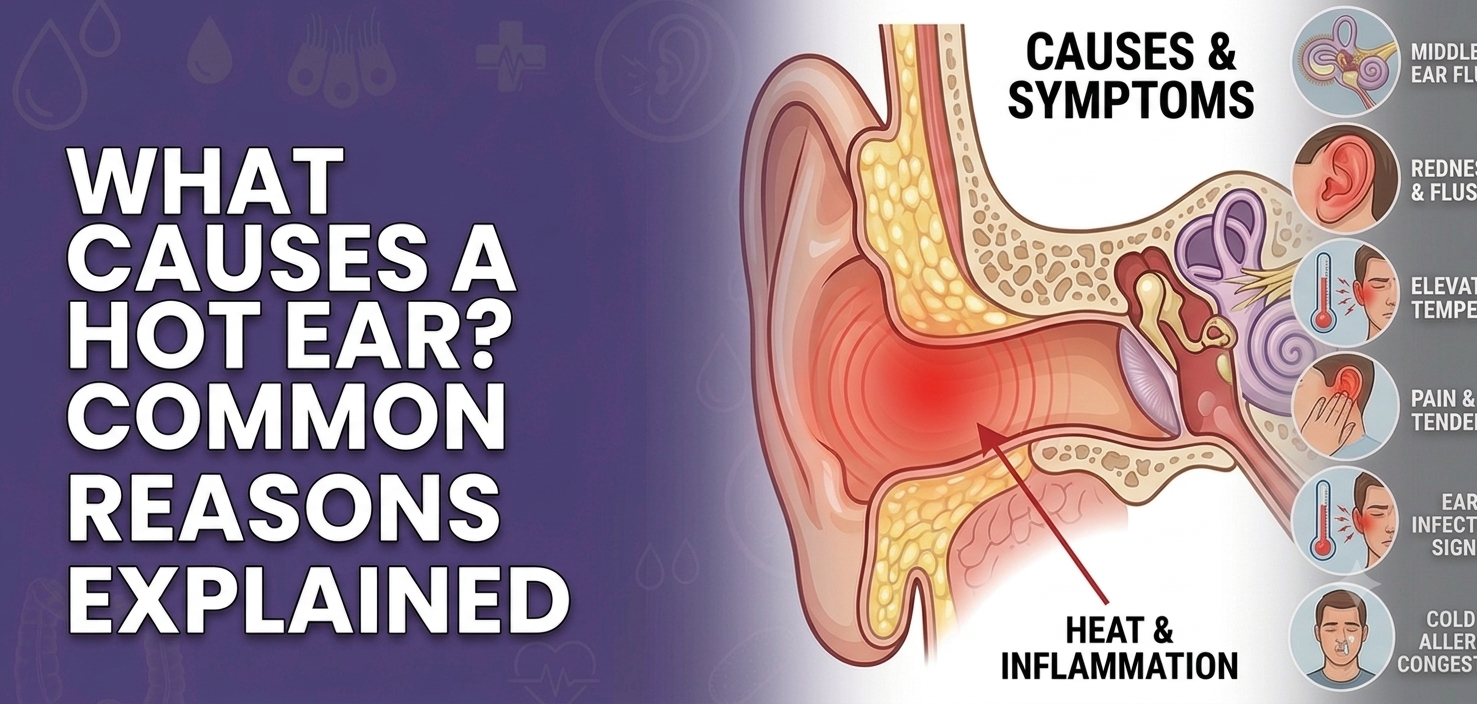
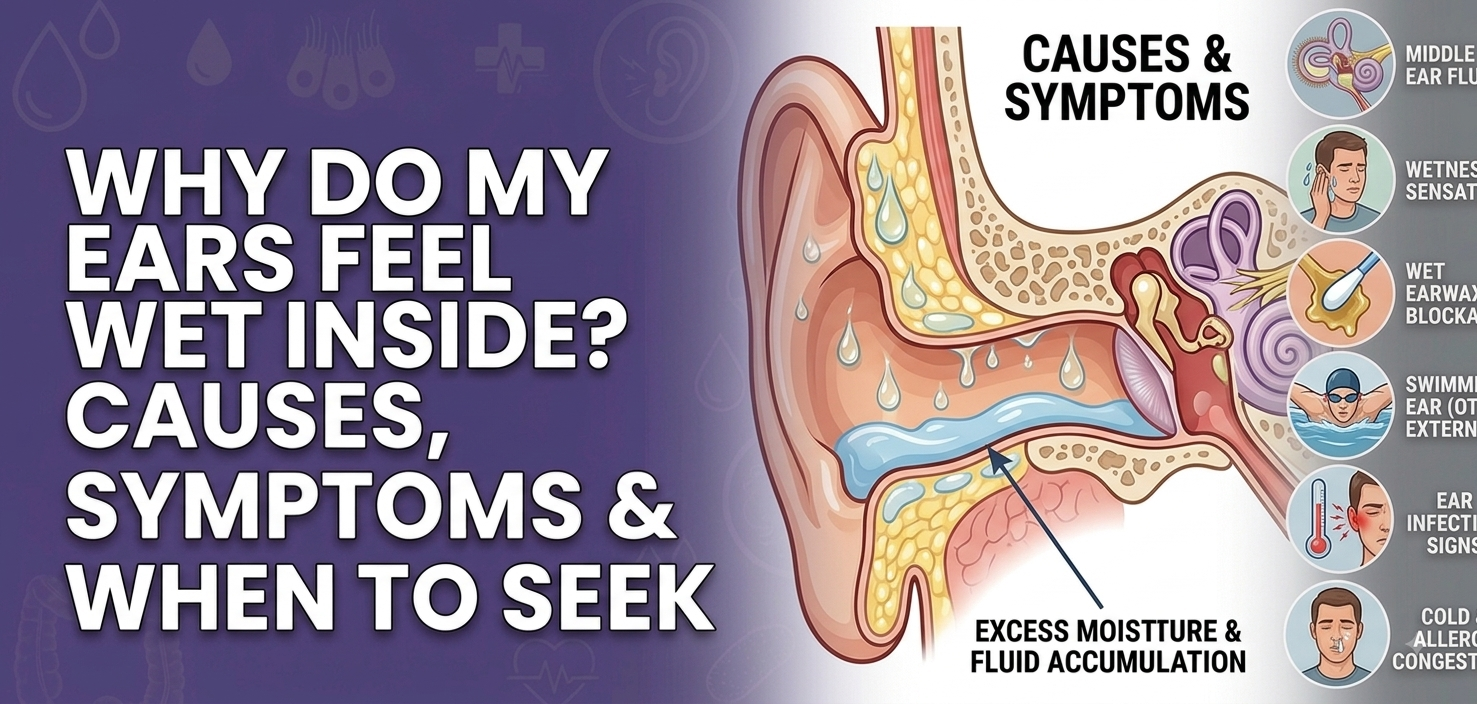
Ear pressure occurs when the pressure inside your middle ear does not match the air pressure outside.
This balance is controlled by a narrow passage called the Eustachian tube, which connects the ear to the back of the nose and throat.
Every time you swallow, yawn, or chew, this tube opens briefly to equalize pressure.
When it does not open properly, pressure builds up.
Common Causes of Ear Pressure
| Cause | Why It Creates Pressure | Typical Symptoms |
| Sinus infection | Swelling blocks drainage | Facial pressure, ear fullness |
| Cold or flu | Mucus blocks Eustachian tube | Popping, muffled hearing |
| Flying or altitude change | Rapid pressure shift | Blocked or painful ears |
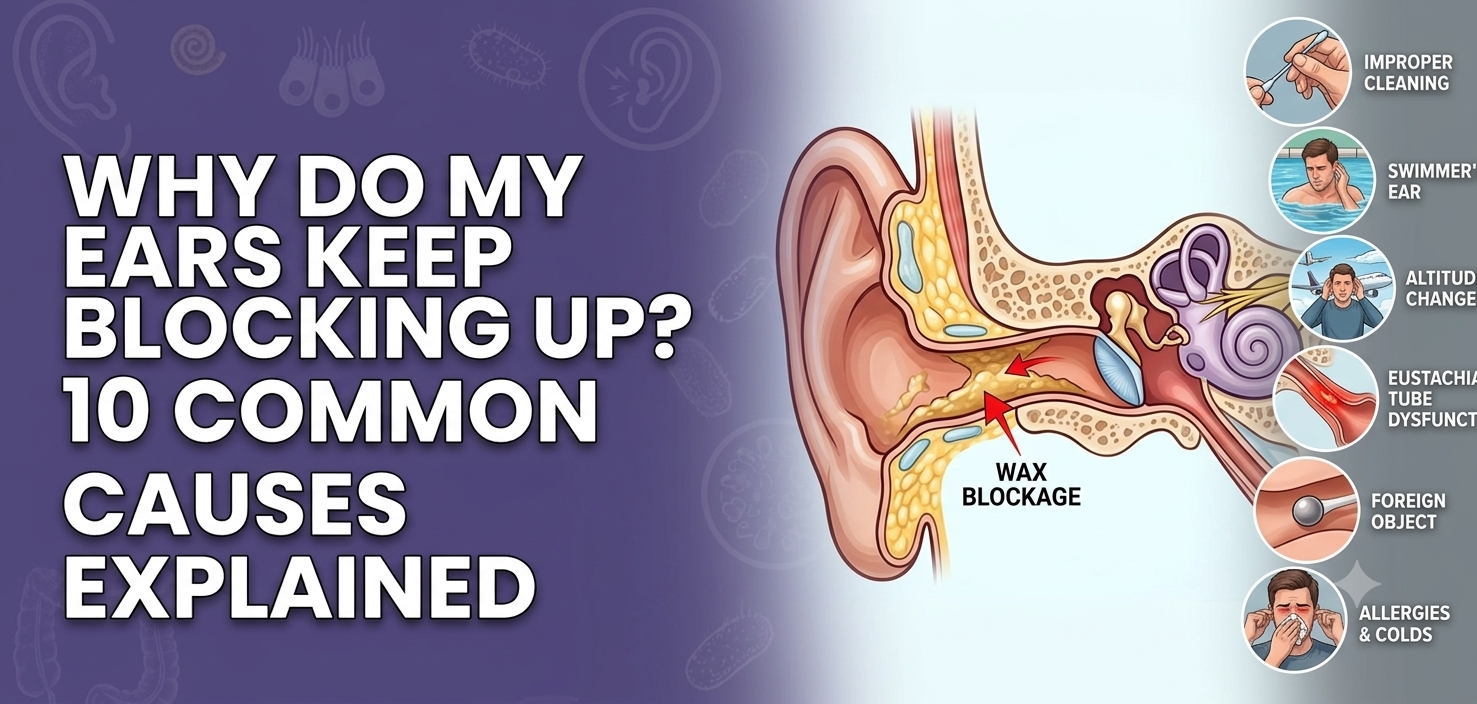
| Ear wax build-up | Traps pressure in canal | Fullness, reduced hearing |
| Anxiety or stress | Muscle tension affects pressure perception | Tight or heavy ear feeling |
| Allergies | Inflammation narrows tubes | Pressure in one or both ears |
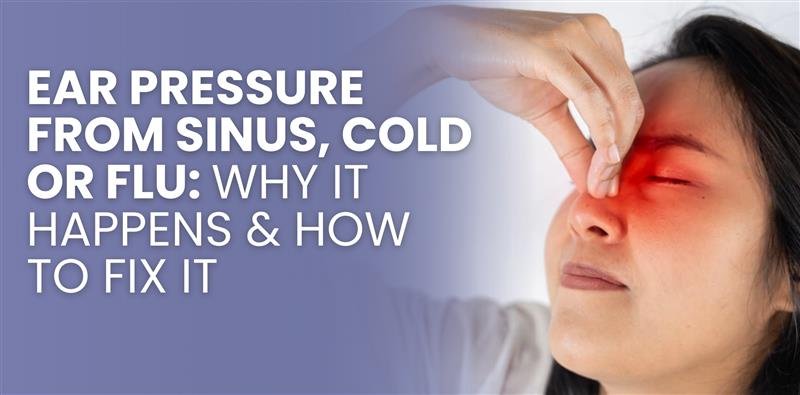
Sinus and Ear Pressure: Why They Are Linked
Your sinuses and ears share the same drainage system.
When sinuses become inflamed during a cold or infection, mucus builds up and blocks the Eustachian tubes.
This leads to:
- Sinus and ear pressure
- Dull ache behind the eyes
- Pressure that worsens when bending forward
- Ear popping when swallowing
Until sinus swelling reduces, ear pressure may persist.
Ear Pressure During Cold or Flu
Colds and flu inflame the nose, throat and ears at the same time.
This swelling prevents pressure from equalizing normally.
Common signs include
- Pressure in one ear or both ears
- Crackling sounds
- Mild ear pain when swallowing
- Temporary hearing reduction
This type of ear pressure usually improves as the illness resolves.
Pressure in One Ear: What It Means
Pressure in one ear can feel more alarming than pressure in both ears.
In many cases, it is still harmless.
Possible causes include:
- One-sided sinus congestion
- Wax build-up in one ear
- Mild ear infection
- Eustachian tube dysfunction on one side
- Jaw or neck muscle tension
If pressure is severe, painful, or accompanied by hearing loss, it should be examined.
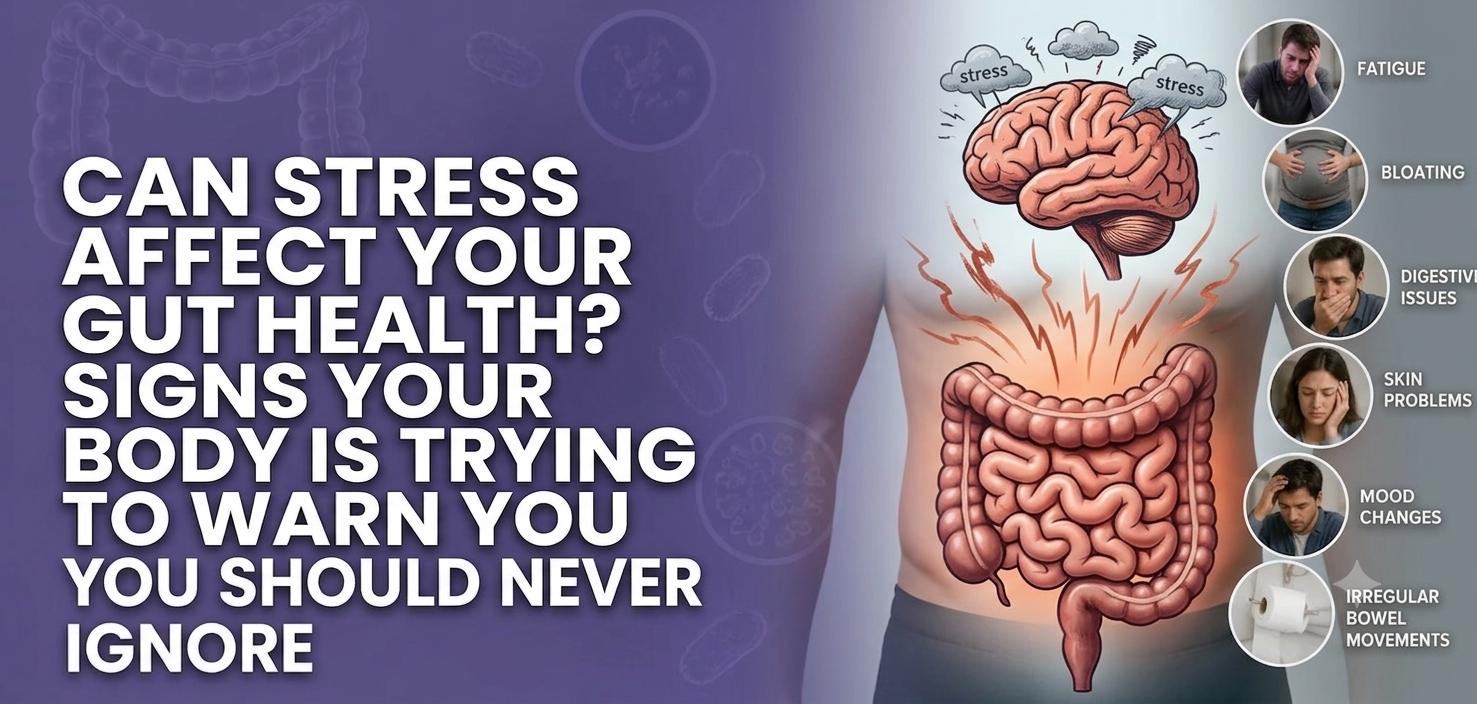
Can Stress Cause Ear Pressure?
Yes. Stress and anxiety can cause ear pressure even without infection or blockage.
During stress, the body tightens muscles around the jaw, neck and throat.
This tension can affect how pressure is perceived in the ears.
Signs stress may be contributing
- Ear pressure that comes and goes
- Tight jaw or teeth clenching
- No signs of infection or wax
- Pressure during panic or anxiety episodes
Learning how to relieve ear pressure from anxiety often involves relaxation and breathing techniques alongside ear care.
Heading: Physical vs Stress-Related Ear Pressur
| Feature | Physical Cause | Stress-Related Cause |
| Pain | Often present | Rare |
| Hearing loss | Possible | Usually normal |
| Trigger | Cold, sinus, flying | Anxiety or tension |
| Improves with rest | Sometimes | Often |
| Needs medical care | If persistent | If ongoing or severe |
How to Get Rid of Pressure in the Ear
Below are safe, evidence-based ways to relieve ear pressure at home.
1. Swallowing and Yawning
Frequent swallowing helps open the Eustachian tube and equalize pressure naturally.
2. Gentle Valsalva Manoeuvre
Pinch your nose, close your mouth, and gently blow until you feel a pop.
Never force this.
3. Steam Inhalation
Steam loosens mucus and reduces sinus inflammation.
Use for 10 minutes once or twice daily.
4. Saline Nasal Spray
Saline reduces swelling and improves drainage.
5. Warm Compress
Applying warmth to the ear or jaw can ease discomfort and muscle tension.
6. Stay Hydrated
Fluids thin mucus and improve drainage.
How to Equalize Ear Pressure Safely
To equalize ear pressure without causing injury:
- Swallow frequently
- Chew gum
- Perform gentle pressure techniques only
- Avoid aggressive blowing
- Never insert objects into the ear
If pressure does not equalize after several days, professional assessment is advised.
How to Relieve Ear Pressure After Flying
Flying is one of the most common triggers for ear pressure.
Why it happens
Cabin pressure changes faster than your ears can adjust, especially if you are congested.
How to relieve ear pressure from plane travel
- Swallow during takeoff and landing
- Use filtered earplugs
- Perform gentle Valsalva
- Use saline spray before flying
- Avoid flying with severe congestion
If ear pressure after flying lasts more than 48 hours, fluid or wax may be involved.
How to Relieve Ear Pressure When Sick
When sick, focus on reducing inflammation and improving drainage.
Best strategies include:
- Rest and hydration
- Steam inhalation
- Saline nasal sprays
- Avoiding sudden pressure changes
- Treating underlying sinus infection
Most pressure resolves as illness improves.
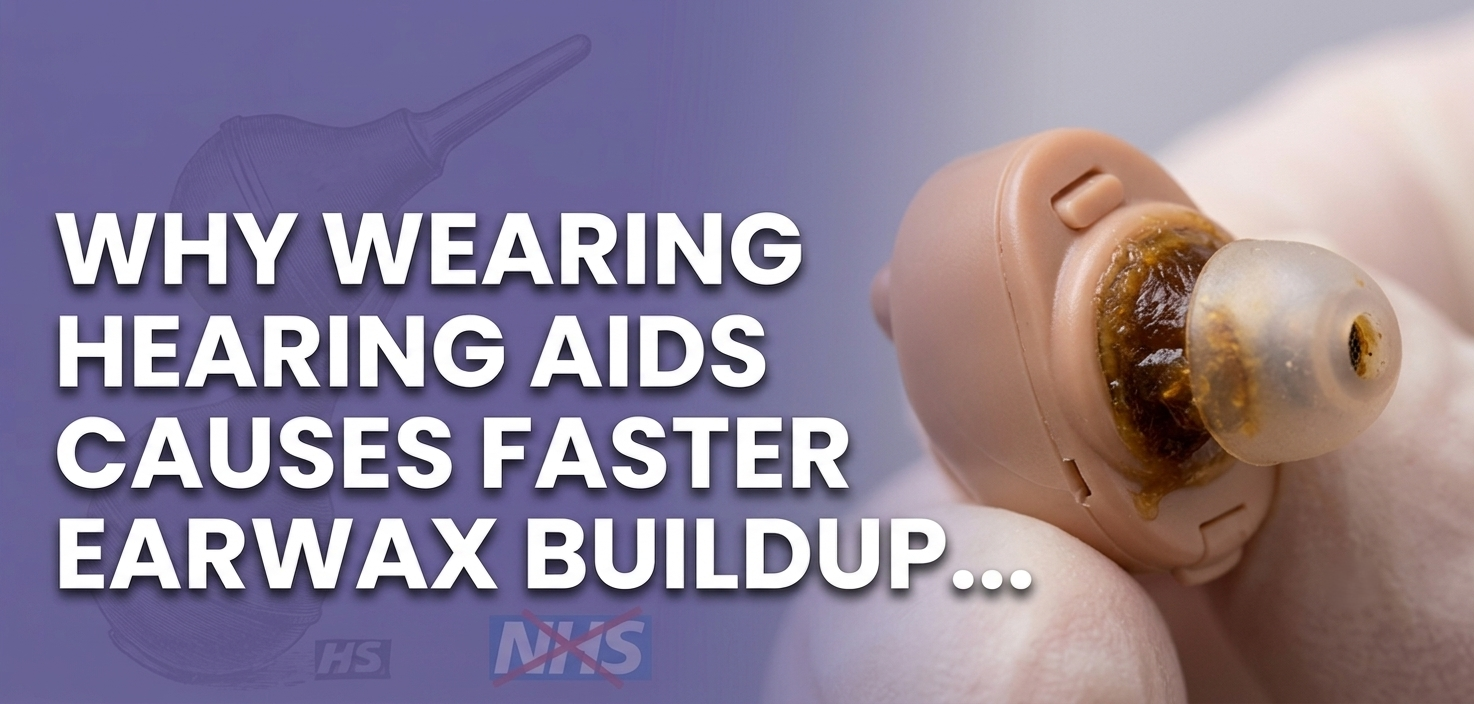
Ear Wax and Ear Pressure
Wax build-up can mimic pressure from sinus or flu.
Wax traps sound and air, creating a heavy, blocked feeling.
Signs pressure may be wax-related
- Persistent fullness
- Muffled hearing
- Itching
- Sudden blockage after showers
Microsuction at Dewaxify removes wax safely and instantly relieves pressure.
When to See a Specialist
You should book an ear examination if:
- Ear pressure lasts longer than 10 to 14 days
- Pressure is severe or painful
- Hearing suddenly drops
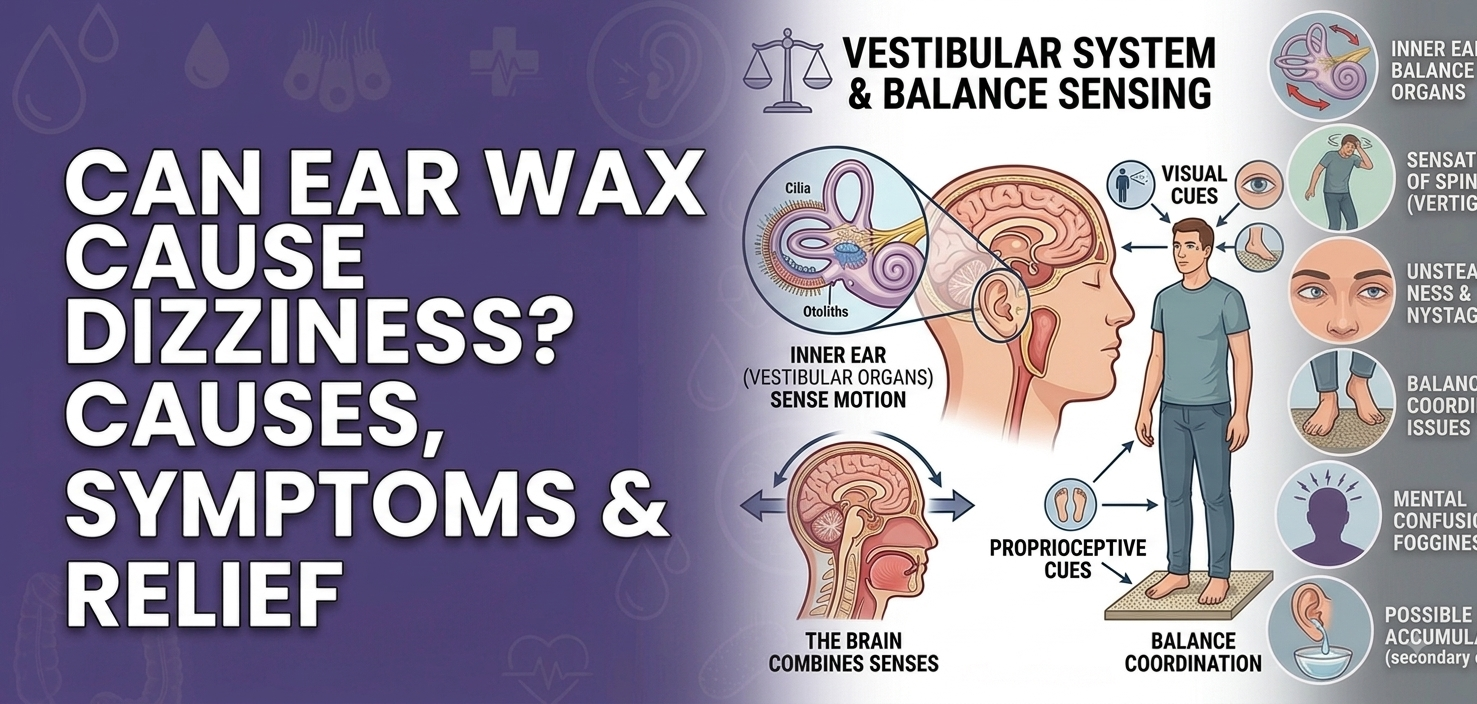
- You feel dizzy or unbalanced
- Pressure affects only one ear and worsens
- Home remedies do not help
Early assessment prevents complications.
Dewaxify: London’s Ear Pressure Specialists
Dewaxify is a professional ear care clinic based in Ilford, East London, founded in April 2017 by Sita Parmar, an Audiological Scientist.
We specialise in identifying the true cause of ear pressure and providing safe, immediate relief.
Our Services
- HD Otoscopy to examine the ear canal and eardrum
- Microsuction Ear Wax Removal
- Hearing Tests and Pressure Assessment
- Advice for flying, sinus issues and anxiety-related ear symptoms
Appointment Information
- Prices from £60
- 20 to 30 minute appointments
- Suitable for adults and children aged six and above
What causes ear pressure?
Blocked Eustachian tubes from sinus infection, cold, flu, flying, wax or stress.
Can stress cause ear pressure?
Yes. Muscle tension and anxiety can affect how pressure is felt in the ears.
How do I relieve ear pressure fast?
Steam, saline spray, swallowing and gentle pressure equalization help.
Is pressure in one ear serious?
Usually not, but persistent one-sided pressure needs evaluation.
When should I see a specialist?
If pressure lasts more than two weeks or affects hearing or balance.